








Uttar Pradesh raises the minimum wage following workers’ protest in Noida
The decision came after days of unrest, which sometimes resulted in violence, in the industrial areas of Noida, home to Samsung factories. The measure comes in response to workers' demands, who complain about precarious working conditions and poor wages, but is also part of the broader process of implementing labour reforms.
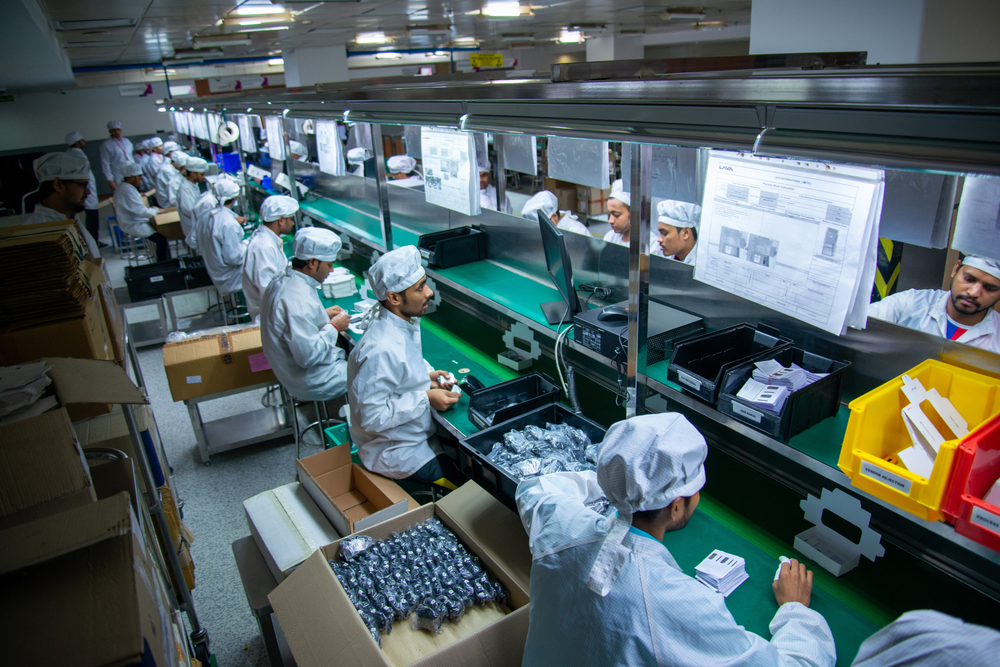
New Delhi (AsiaNews/Agencies) – The northern Indian state of Uttar Pradesh has increased the minimum wages of workers employed in the Gautam Buddha Nagar industrial complex after days of protests that also turned violent.
Yesterday, thousands of workers took to the streets in Noida's industrial areas, particularly in Phase 2, Sector 63, and Sector 84, which house Samsung factories, complaining about difficult working conditions, low wages, and alleged labour abuses.
The protest quickly escalated into clashes and acts of vandalism, with property and vehicles set on fire.
Noting that they had not received any increase in recent years, workers reiterated their demand for a minimum wage of 20,000 rupees a month (about US$ 215) and eight-hour shifts.
Last week, Haryana, home to automotive manufacturing companies, approved a 35 per cent increase in the minimum wage.
The recently approved wage increase in Uttar Pradesh will be applied retroactively starting 1 April, government sources said, bringing the wages of unskilled workers in Noida to around US$ 147 a month, up from the current US$ 121.
The protests are part of wider context regarding new labour codes, part of a reform that consolidated 29 previous laws into four main pieces of legislation: the Code on Wages (2019), the Industrial Relations Code (2020), the Code on Social Security (2020), and the Occupational Safety, Health and Working Conditions Code (2020).
According to the government, the changes seek to improve the efficiency of the regulatory system, promote formal employment, and balance the needs of businesses and workers.
In particular, the changes include mandatory appointment letters, expanded social security coverage, and stricter workplace safety regulations.
However, in rapidly industrialising areas such as Gautam Buddha Nagar (which includes Noida and Greater Noida), the implementation of the reforms has been uneven, not reflecting the daily reality of workers.
The local production system relies largely on migrant workers, often hired through intermediaries, a situation that has made it hard to extend the benefits provided by labour codes.
Despite the new rules providing greater transparency, formal contracts, and expanded social security, many workers continue to experience job insecurity and payment delays.
The codes also raise the threshold for layoffs without prior government approval and impose stricter conditions for strikes, fuelling the perception among workers that they are less protected.
The recent protests are not only driven by short-term demands, but also by a widespread sense of insecurity regarding the new regulatory framework.
Wage differences with neighbouring states (like Haryana) have also contributed to increased anxiety and discontent in response to the changes in labour regulations.
The situation in Gautam Buddha Nagar reflects all the challenges India’s workers face: the dominance of contract labour, which reduces companies' direct responsibility; persistent wage disparities, which encourage labour mobility, competition, and unrest; and the limited capacity of authorities to enforce regulations in a context of rapid industrial expansion.

.png)
26/03/2021 16:18










