








Vicar of Israel: The closure of the Holy Sepulchre mirrors the war
Speaking to AsiaNews, Bishop Nahra describes the closure of sacred places as “a form of death that people are experiencing.” From COVID-19 to Gaza and the Iran war, a picture of a perpetual “pandemic” emerges. This is impacting children while critical issues remain within Israeli society, especially in the Arab community, torn by violence and murders. In parishes people want to come to church and pray, many of them young. In Israel, there has been “widespread damage,” but “it’s not widely discussed.” Some 80 Jewish and Arab groups sign an open letter for peace.

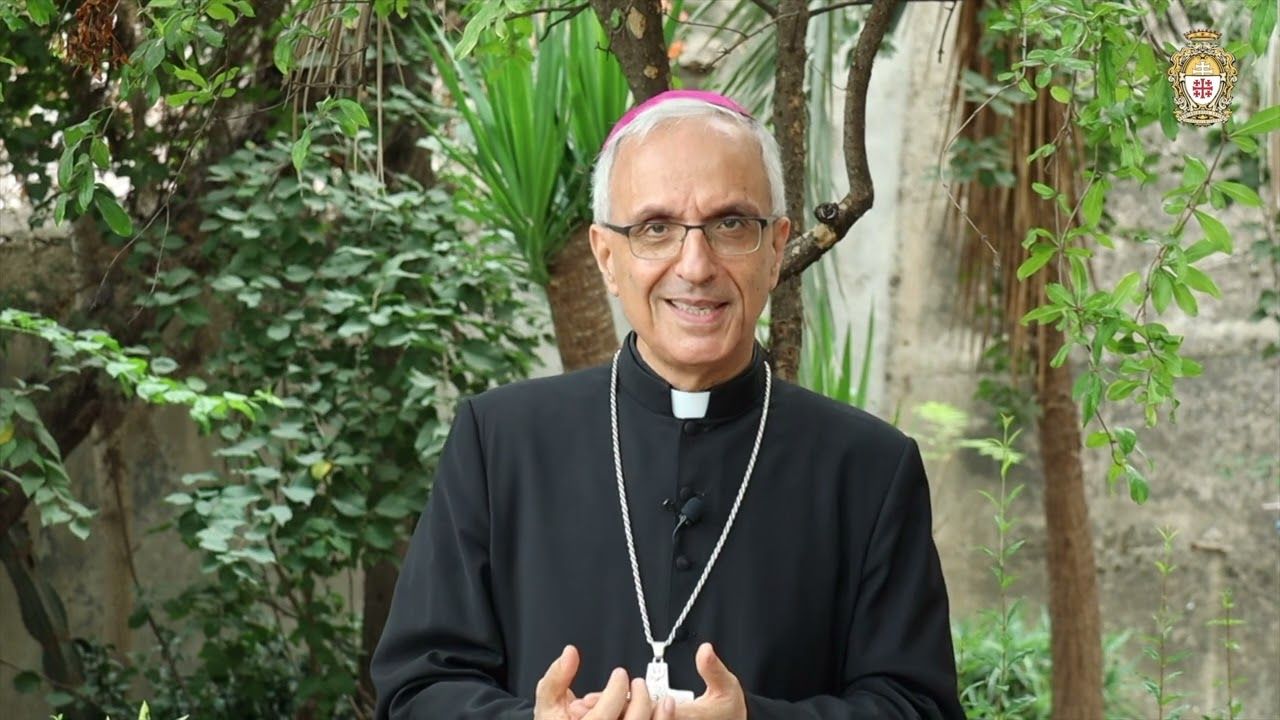
Milan (AsiaNews) – The closure of the Holy Sepulchre (and all the holy places) in Jerusalem has "a strong symbolic value" and "says a lot about the current reality" in which "people are not able to move easily" due to "the war, the repeated alarms, the sound of sirens, and the rush to shelters,” said Mgr Rafic Nahra, auxiliary bishop of the Latin Patriarchate of Jerusalem (LPJ) and patriarchal vicar for Israel since 2021.
The prelate spoke to AsiaNews about the current the situation more than two weeks after the start of the new war with Iran, which comes in the wake of the "12-day war" of last June.
The Holy Sepulchre “mirrors this situation,” insofar as it represents “a form of death that people are experiencing," the prelate said, as they wait to see what will happen "during Holy Week and Easter. Before that there is also Passover; we shall wait to see how to act.”
War pandemic
Daily life in Israel today seems to mirror what happened during the COVID-19 pandemic, with people forced to spend a lot of their time at home or in shelters, with schooling disrupted.
"Our people," said Bishop Nahra, "are having a hard time coping with this entire succession of events; since 2020, with the coronavirus, everything has stopped. The first two years were due to the pandemic, then we had almost a year of normal life before the war in Gaza. Now that the most acute phase (of that war) seemed over, this other war with Iran has had a very serious impact."
The vicar's thoughts go out "to the children, who, with rare exceptions, have been studying on zoom since 2020. They spend much of their time learning on screens, and it's not a very effective method (in the long run), especially for the youngest," although the same "applies to adults as well."
"There's a lack of contact with classmates, friends, and teachers," the prelate explained, so "on a human level, it's a very difficult time." This is why, especially during Lent, "people pray a lot. We've noticed this since the start of the war in Gaza. In all the parishes, not just in some, fervent priests are able to attract the faithful.”
In the end though, “It's the people," he stressed, "who want to come more frequently, to pray more fervently. All the parishes, without major differences, are full, even young people. Living near the Basilica of Nazareth, I personally see how often many young people come seeking help and support in prayer, in God, and a refuge in the Church.”
The Latin Patriarchate welcomes this influx of people "knowing that now, with the war, it's not easy to gather," Bishop Nahra added, "and there are limits on the number of people" one can meet.
"We are being careful," he explained, “but at the same time, we're not telling them to stay home, because just as supermarkets are full as people seek material nourishment, it's equally important that churches be open to provide spiritual nourishment and comfort.
“The relationship with God, like food, is also vital, which is why we welcome them while respecting the rules.”
The humanitarian tragedy
Yesterday, the Dicastery for Oriental Churches released an appeal on behalf of the Collection for Christians in the Holy Land, an essential initiative to support the life of a community that, more than others, relies on pilgrimages and religious tourism, and is suffering the consequences of the war.
“Starting in Gaza, even if it's not talked about much anymore, the situation hasn't changed and remains tragic, with Israel blocking the entry of basic necessities because Hamas is reportedly imposing a tax.”
“We try to help everyone as much as possible, so people can have food and medicine," the prelate said, but the reality in the territory "is disastrous. Even in the West Bank, there are critical issues, because they can't come to work in Israel while the cost of living is soaring, because the costs of the war have to be repaid one way or another.”
Furthermore, some areas are more vulnerable to Iranian missile attacks or to Lebanon’s Hezbollah, such as Tel Aviv or the north of the country. Her, they “are more exposed, and it's not possible to work peacefully and critical issues are greater.”
This war-torn landscape also includes the violence by Jewish settlers in the Occupied Territories, supported and aided by the far-right government led by Prime Minister Benyamin Netanyahu, which includes pro-settlement ministers.
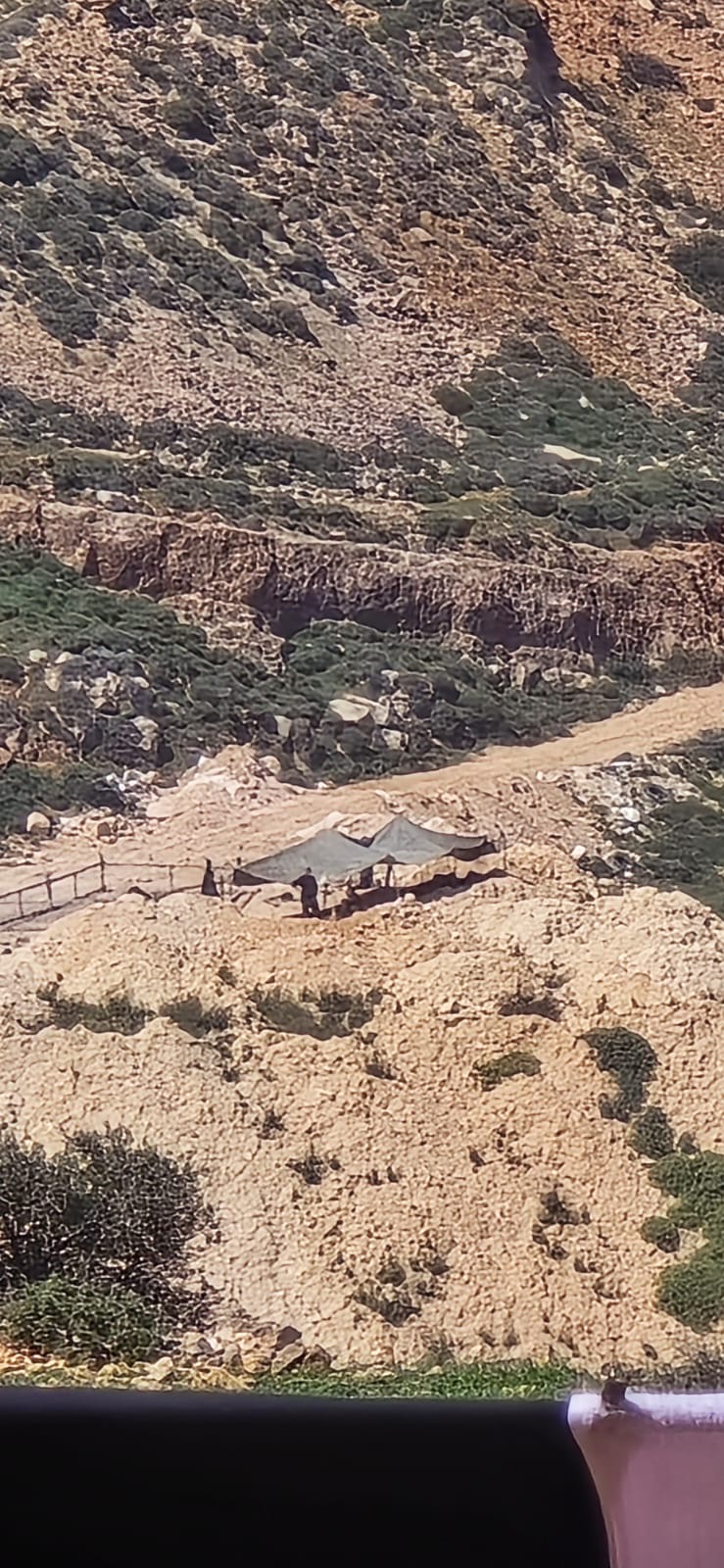
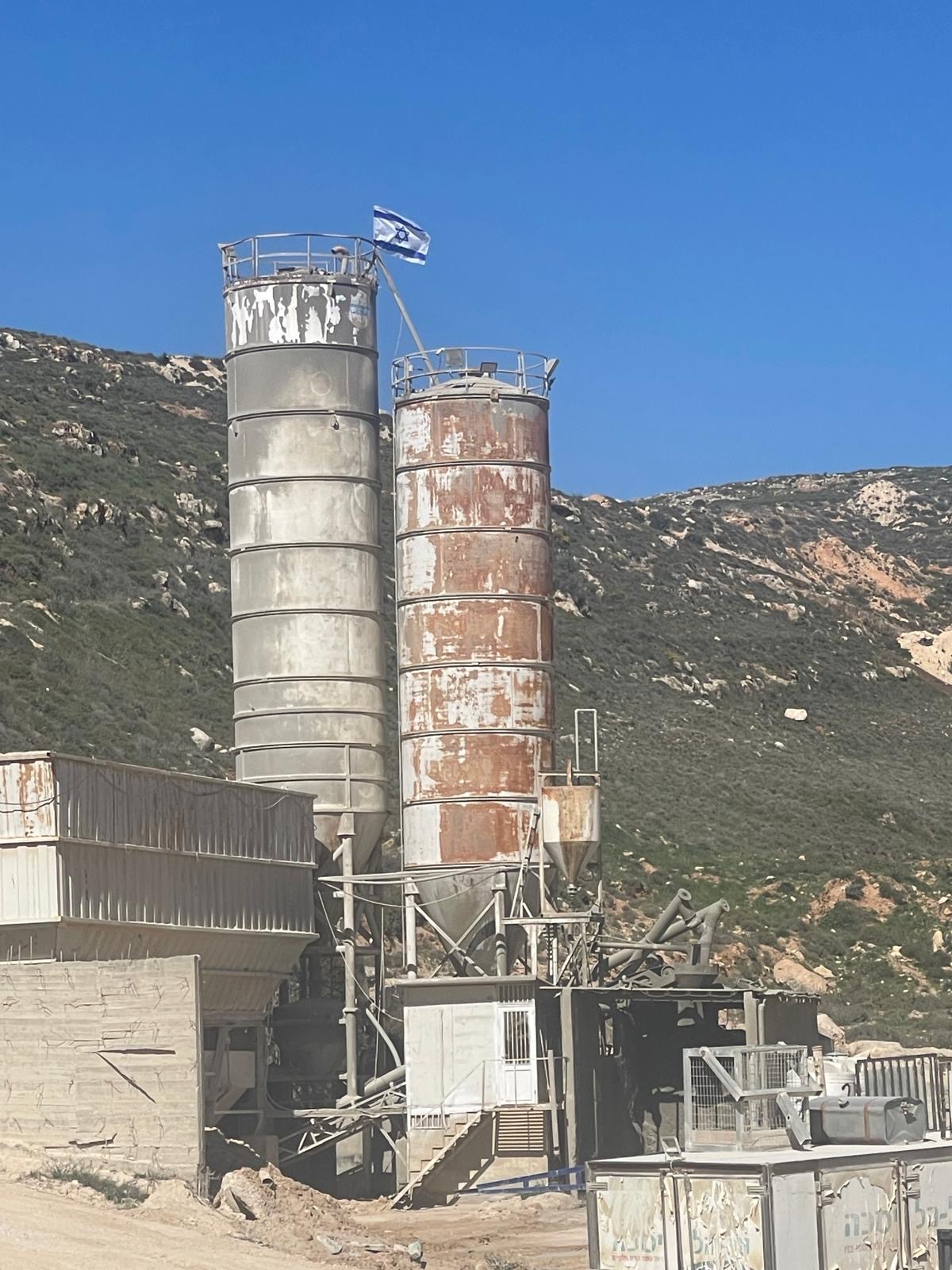
Taybeh is among the hardest-hit places. The only entirely Christian village in the West Bank saw “a new attack by settlers in the western area,” said Father Bashar Fawadleh, the local parish priest (photos 3, 4).
“They targeted public property, including a cement factory and a quarry. They also raised Israeli flags on the factory's tanks in a provocative act that angered residents,” he told AsiaNews.
Against the backdrop of war and settler violence, faint voices of peace are also being heard, as evidenced by an open letter published yesterday by 80 Israeli Jewish and Arab organisations calling on Netanyahu and US President Donald Trump to “end the war with Iran”.
The organisations that signed the letter are part of the "It's Time" coalition, a broad alliance for peace and reconciliation in Israel. On 30 April, the coalition will hold a grassroots summit for peace in Tel Aviv, the largest anti-war event planned in Israel in 2026.
"It is important for activists and civil society (groups) to raise their voice for peace," Bishop Nahra noted, in response to "the drumbeat of war that is reverberating all around us.
“Of course, politicians do not decide by listening to these appeals, but we must nevertheless make the cry of those who say 'enough' to war heard, for otherwise, the impression that everyone agrees with the military escalation would prevail.”
Healing the wounds
"Few people talk about peace “ or “stress how war is bad, since the common position among Jews, or at least Israeli Jews, is to consider Iran an existential threat.”
Although not everyone agrees "with the ways in which this war is being waged," the prevailing view is “to consider it a duty, the need to defend ourselves before they attack. This is the broad opinion among Israeli Jews."
Meanwhile, the country is going through "difficult days, with the airport practically closed, few people allowed to leave, widespread damage, even if it's not widely discussed, with deaths and injuries. It's clear that the situation is critical and that the war is a disaster for everyone."
Then there is the issue of violence within Israeli Arab community, a minority of about 20 per cent compared to a Jewish majority of 80 per cent, where the number of murders is rising.
“This is a terrible figure, even if it's less talked about now precisely because of the war with Iran, but up to a week ago, the number of people murdered since the start of the year had already reached 59,” the patriarchal vicar said.
“There is a problem in Arab society, and we need to work on education and culture," he explained. “The police must also do their duty. It's not enough to say that Arabs are violent; we must address this violence and protect the innocent, who represent the vast majority.”
Moreover, “on a more general level, something is not right in the country as a whole, and, for now, the current far-right government is not helping to reduce the violence and heal the wounds.”
As Holy Week and Easter approach, the need to celebrate, to listen to Jesus, is even greater, when he says that he “came to be the light in the darkness. We must find the light in our relationship with Christ, in the sacraments, in mutual support, in rekindling the Easter message with even greater urgency than in previous years. And we must help people maintain their faith and hope."
GATEWAY TO THE EAST IS THE ASIANEWS NEWSLETTER DEDICATED TO THE MIDDLE EAST. WOULD YOU LIKE TO RECEIVE IT EVERY TUESDAY? TO SUBSCRIBE, CLICK HERE.

.png)










