








Wadi Rum: a 9,500-year-old village re-emerges beneath the desert of myths
Amidst the red mountains of southern Jordan, archaeologists have unearthed Ayn Abu Nukhayla, one of the most important Neolithic settlements in the Middle East. The research tells the story of the emergence of the first settled communities, revealing a history far more fascinating than the legends that have fuelled the desert’s imagination for centuries.
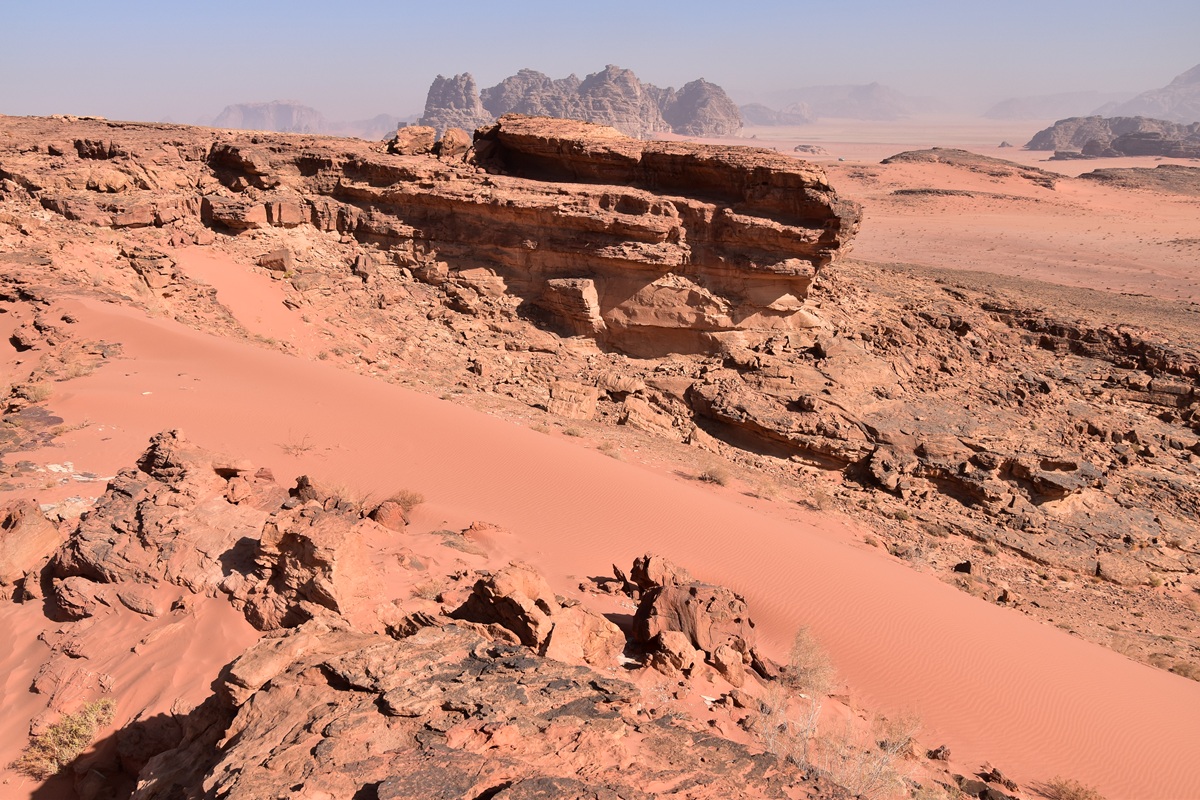
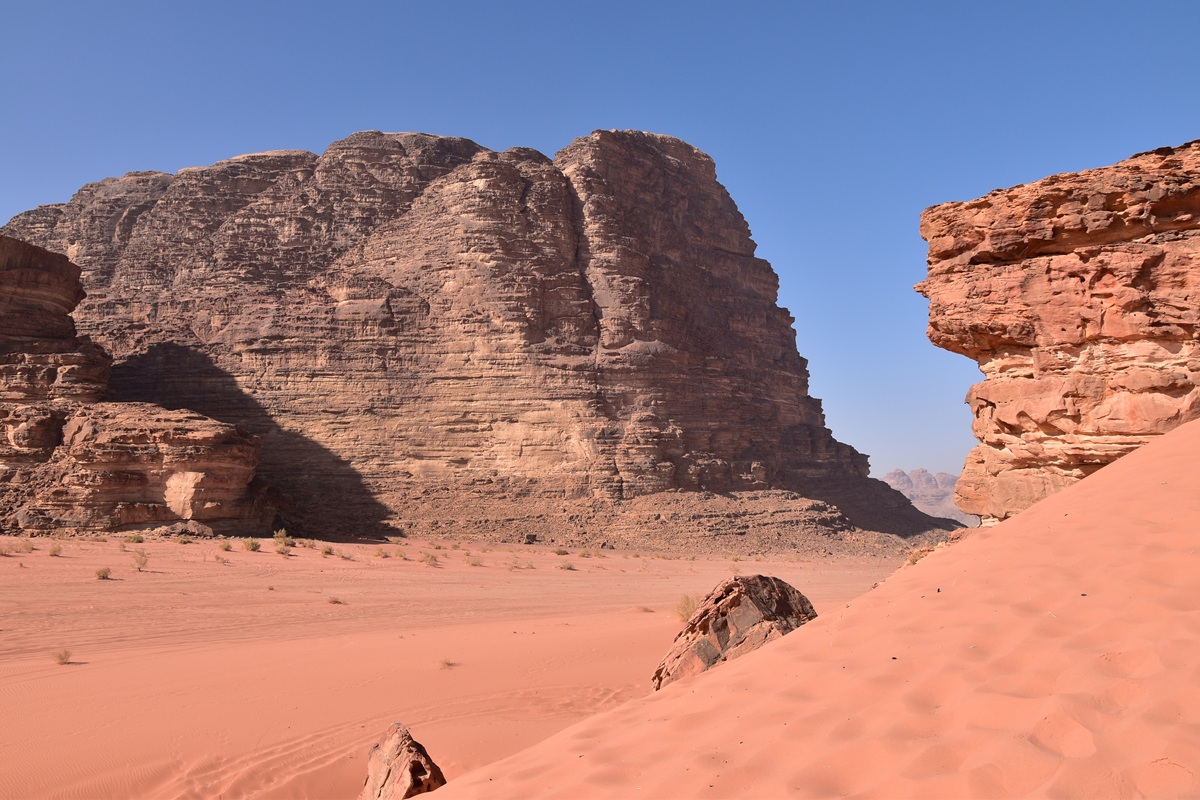
Amman (AsiaNews) - Amid the sands of southern Jordan, where the wind has been sculpting stone arches and rust-coloured canyons for millennia, the Wadi Rum desert (one of the most popular destinations on tourist tours of the Hashemite Kingdom) appears as a landscape frozen in time.
At sunset, the sandstone mountains turn red, the desert dunes seem to move like waves, and the silence is so profound that it feels as though one is at the beginning of the world. It is here, amongst tracks once trodden by Bedouins and rock faces covered in prehistoric engravings, that archaeologists have identified one of the most important Neolithic sites in the Middle East: Ayn Abu Nukhayla, a small settlement dating back some 9,500 years that tells, with surprising precision, the story of the birth of human society where the desert now stretches.
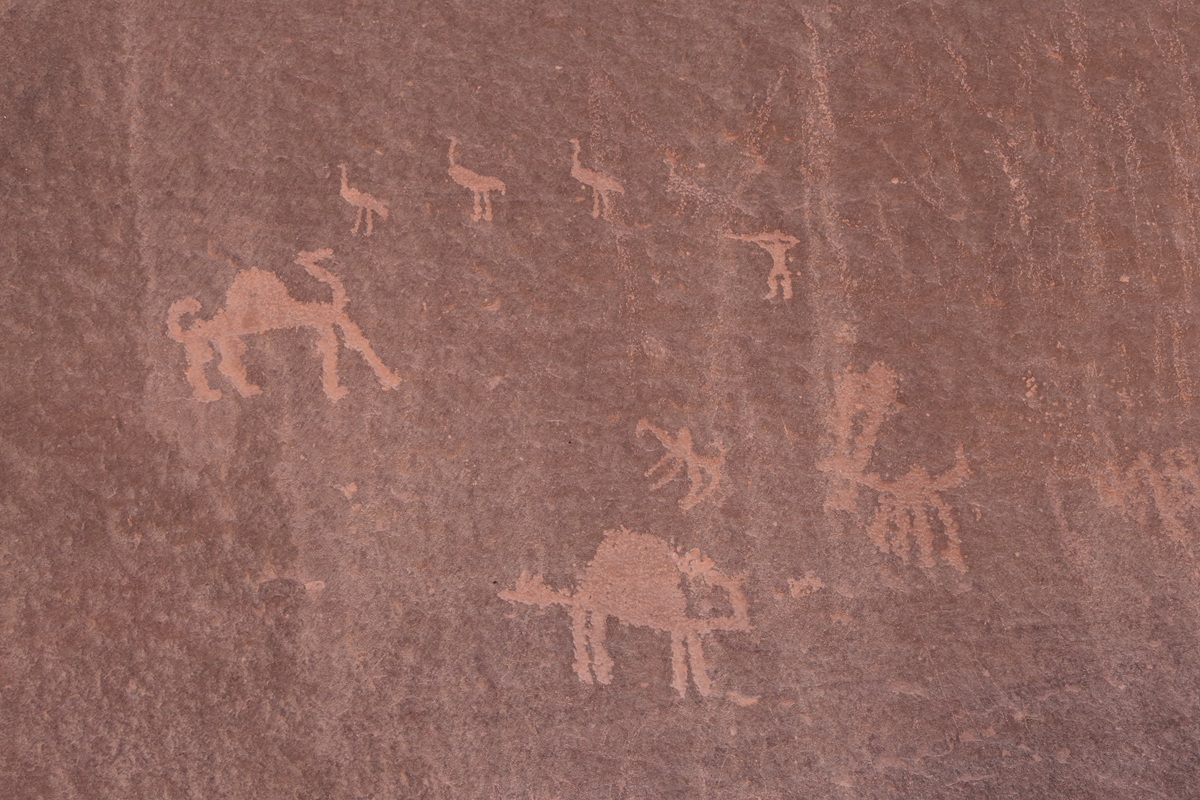
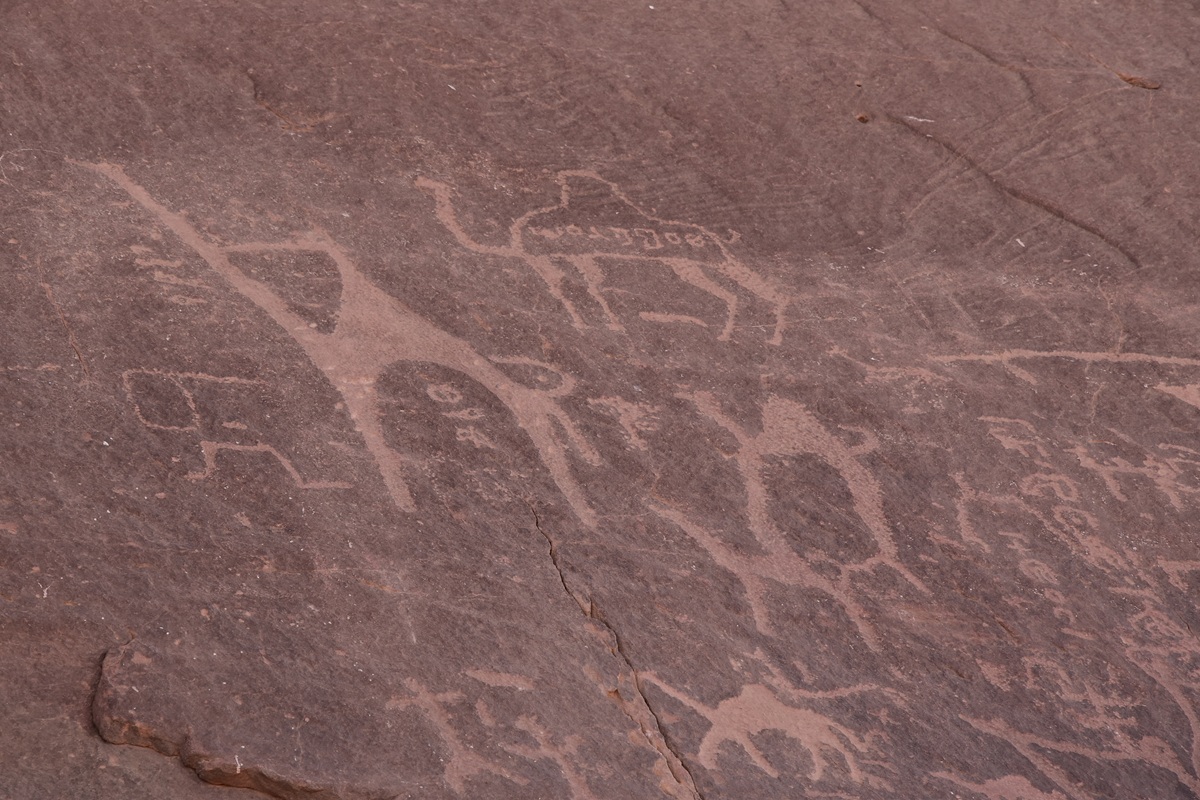
For decades, Wadi Rum, the ‘Red Desert’, has been known primarily for its rock paintings and petroglyphs scattered across the rocks. Figures of hunters, animals, pastoral scenes and enigmatic symbols have fuelled romantic and even fanciful interpretations, including legends of the ‘Giants of the Earth’, which in some Middle Eastern traditions are associated with mysterious structures or ancestral peoples. But today, archaeology is replacing myth with a far more concrete—yet no less fascinating—reconstruction of human life in the Neolithic period.
The excavations at Ayn Abu Nukhayla, directed since the early 2000s by the American anthropologist Donald O. Henry of the University of Tulsa, have revealed a village from the Pre-Pottery Neolithic period, comprising semi-underground oval dwellings, storehouses, communal areas and animal enclosures. The site is situated on a small hill overlooking a canyon in Wadi Rum, in a region that is now arid but which, nine millennia ago, offered less extreme environmental conditions.
The discovery was of enormous significance because it allowed scholars to observe in detail the transition from nomadic hunter-gatherer societies to more settled communities, already engaged in livestock rearing and early forms of agriculture. Analysis of phytoliths, pollen and organic residues has shown that the village’s inhabitants processed cereals and reared goats and sheep. Some areas were used for grinding seeds, others as shelters for animals.
The picture that anthropologists and archaeologists have brought to light is surprisingly modern: a small, organised community with distinct domestic spaces, diversified economic activities and a social structure more complex than previously imagined for that era. Studies published in the journal American Antiquity have also shown that the village was occupied seasonally by groups that continued to move across the territory in accordance with pastoral and climatic rhythms.
The most fascinating finding, however, is the increasingly evident link between the settlement and the rock art of Wadi Rum. The region’s mountains harbour thousands of petroglyphs and pictographs created in different eras: some engravings date back to the Bronze Age, others even to earlier periods. Archaeologists believe that many of these images represent not only everyday scenes, but also a form of ‘memory of the land’.
The animals depicted (wild goats, cattle, camels, armed human figures) suggest a landscape very different from today’s and tell of a long continuity of human presence in the desert as far back as the Neolithic period. These are not merely primitive decorations, but tools of symbolic and social orientation. In a vast and hostile landscape such as Wadi Rum, carving a figure into the stone perhaps meant marking a presence, telling a collective story, passing on information about hunting, water or seasonal routes.
Some interpretations have linked the large anthropomorphic figures found in certain engravings to the ancient legends of giants widespread across the Near East. The reference to giants appears above all in the biblical tradition of the Nephilim (Genesis 6 and Numbers 13) and in folk legends. We are, however, firmly in the realm of myth, as there is no scientific evidence for the existence of these beings in Wadi Rum or elsewhere.
The true wonder of Wadi Rum, moreover, needs no pseudoscientific myths. One need only observe what emerges from the excavations. Spatial studies conducted at the site have even reconstructed the distribution of daily activities within the dwellings: where people cooked, where they slept, where grain was processed. A social snapshot from 9,500 years ago, extremely rare in the Near East.
In recent years, international scholars, including the Japanese archaeologist Seiji Kadowaki, have also joined the research in the ‘red desert’, broadening our understanding of prehistoric transformations in southern Jordan.
As documented in a recent article in the Jordan Times, Kadowaki has unearthed two further Middle Palaeolithic sites (Tor Faraj and Tor Sabiha) and three Upper Palaeolithic sites (Wadi Aghar, Tor Fawaz and Tor Hamar). In all cases, these are rock shelters where Palaeolithic hunter-gatherers had their camps and left material remains of their activities, such as stone tools, animal bones, shell beads and hearths.
Italy, too, has played an important role in the archaeology of Wadi Rum. Among the scholars associated with research in the Jordanian desert, one cannot fail to mention Edoardo Borzatti von Löwenstern, professor of Human Palaeontology and Prehistoric Ecology at the University of Florence, who passed away on 16 April at the age of 91. During his numerous expeditions to the Levant and the Arabian Desert, he conducted in-depth studies of the rock art of Wadi Rum, even hypothesising links between the desert inscriptions and the early developments of the Northern Semitic alphabet.
Today, as we mentioned, Wadi Rum is a world-renowned tourist destination, the unforgettable setting for the exploits of Lawrence of Arabia and a fascinating location for cinematic epics (some scenes from Dune and the Star Wars saga were filmed amidst these scorching sands). But the desert never ceases to recount the millennia-old history of a very ancient humanity. Men and women who, almost 10,000 years ago, learnt to live on the edge of the impossible, transforming an inhospitable place into their home.

.png)
18/11/2022 13:29
26/11/2018 09:01










