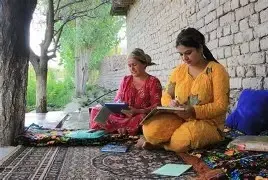
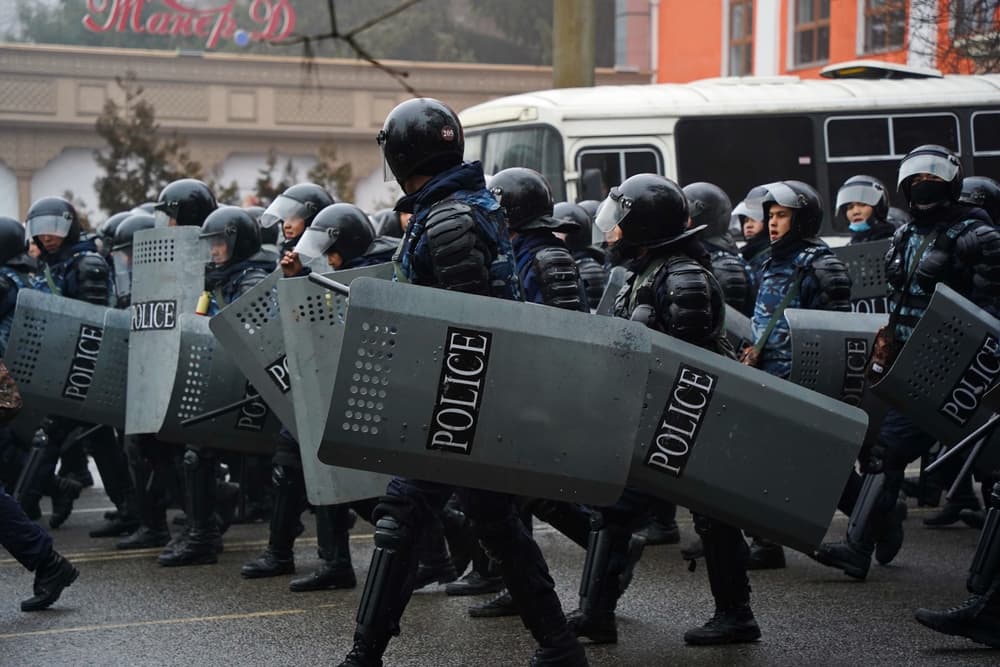
Cosmetic surgery and women's clothing are being targeted by the authorities in Central Asia. In a sermon that went viral, the mufti of Dushanbe harshly condemned the injections, while in Ashgabat the police stopped women “wearing excessive make-up”. Sociologist Anora Sadykova: ‘Campaigns created to avoid discussions about unemployment, corruption and rising prices’.
Over two hundred IT experts discussed the prospects for artificial intelligence and technological entrepreneurship in the region. The ambition is not only to be users, but to develop local skills capable of competing in the innovation market.
The trade agreements signed at the White House on rare earths and other sectors seem to focus more on US economic interests than on geopolitical balances. And even the Kremlin, which in the past had shown some impatience with these contacts, this time expressed great acquiescence.
Beijing's business interests in the region – which have grown exponentially with the war in Ukraine – now exceed billion, twice that of Moscow. China supports trade with the conviction that improving living standards can avert any danger of conflict, as seen with the border agreements between Kyrgyzstan and Tajikistan
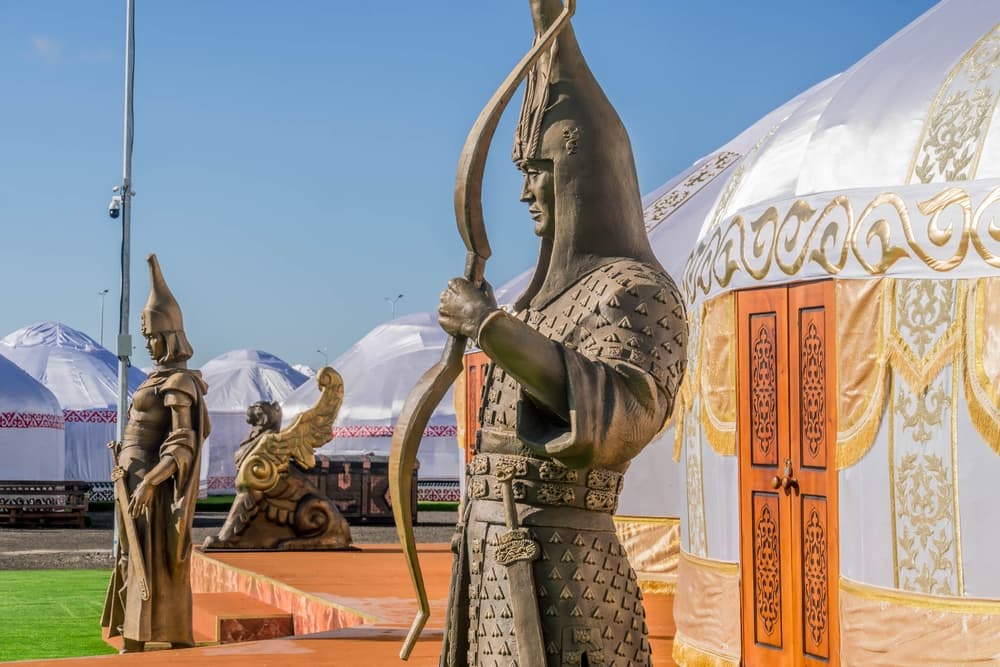
The removal from a monument of the Russian word used to refer to the famine caused by Stalin in the 1930s with the forced abolition of small private farmers has sparked controversy. In present-day Kazakhstan, as in Ukraine, hunger killed millions of people. Behind the formal explanation of the “correction” lies the delicate balance in relations with Moscow.
New accusations against relatives of former Kazakh President Nursultan Nazarbayev raise the issue of the cult of personality surrounding local leaders. Azattyk Asia's analysis: “The sudden transformation of the fathers of the nation into figures to be forgotten reflects the very meaning of political loyalty in our region.” The cases of Tajikistan and Turkmenistan.