








War in the Middle East drives Asia back to coal
The conflict with Iran has disrupted gas supplies through the Strait of Hormuz, doubling prices in Asia. From Bangladesh to Japan, governments are reopening coal-fired power plants to contain costs, postponing, at least for now, the energy transition.
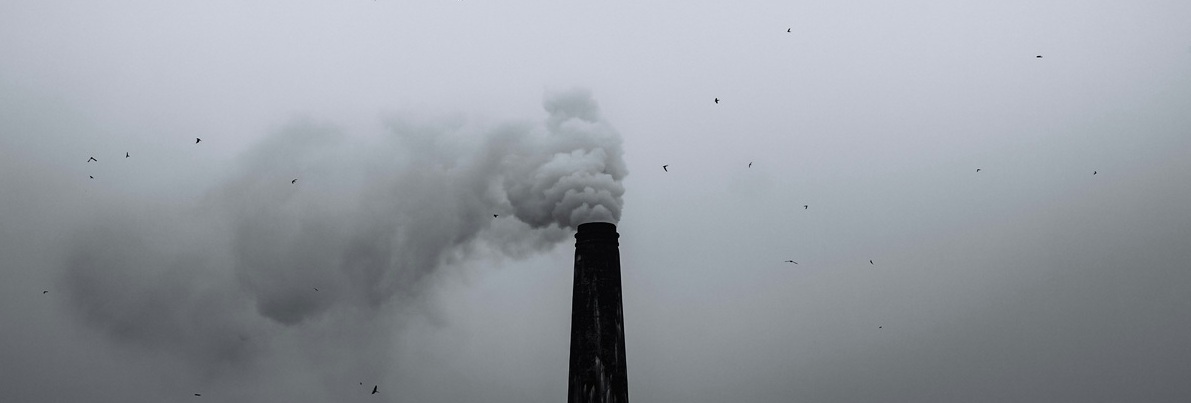
Milan (AsiaNews/Agencies) – The difficulty in getting energy from the Middle East is pushing several Asian countries to turn to coal, further slowing the energy transition.
Qatar, the world's second-largest exporter of liquefied natural gas (LNG), has suspended shipments through the Strait of Hormuz, central to the war launched by the United States and Israel against Iran.
As a result, LNG prices in Asia have doubled, reaching their highest level in three years. Experts predict that they could rise further because many contracts are tied to the price of oil with a lag of about three months. And the impact of the recent disruptions will likely be long-lasting.
Shell, the world's largest LNG trader, has estimated that population growth in Asia will contribute to an 85 per cent increase in energy demand by 2050.
Last year, consumption reached 422 million metric tonnes. Countries such as Japan, Singapore, Thailand, Taiwan, Pakistan, and Bangladesh already generate a third or more of their electricity from natural gas.
Japan, in particular, has traditionally acted as an intermediary, importing and re-exporting LNG to Southeast Asian countries, which began increasing imports in 2010 as their domestic reserves dwindled.
According to the Asia Pacific Energy Research Center, a Tokyo-based think tank, in Thailand, for example, the percentage of electricity generated from LNG has risen from 2 per cent in 2011 to approximately 50 per cent in 2022.
However, since European nations turned to the global LNG market after the outbreak of the war in Ukraine, their offers outstripped those of smaller economies; as a result, Asian nations are being forced to reopen their coal-fired power plants.
In Thailand, this happened in 2022 and is now happening again. The government has introduced subsidies to cushion prices, but has also required coal-fired power plants to operate at full capacity.
The same is true for the Philippines and Vietnam, while the governments of other countries have reduced the workweek to four days to reduce consumption.
For its part, Indonesia is in a particular difficult situation as the end of Ramadan approaches, which will be celebrated this weekend. Around 100 million people travel to visit their families for Eid al-Fitr, driving up energy use.
Gas supplies are expected to last 12-15 days, but the government has not yet announced measures to respond to the crisis.
Even before the outbreak of the war, Jakarta was spending US$ 22.5 billion on subsidies to the population to keep prices low.
Data from Bangladesh's main state-owned company indicates that since the start of the war with Iran, part of its production now relies on coal.
In Pakistan, Energy Minister Awais Leghari stated that LNG shortages mean that the country will have to rely on domestic coal reserves. In 2022, the country faced a severe energy crisis marked by constant blackouts following Russia’s invasion of Ukraine.
According to several experts, the new war in the Middle East is once again widening the economic disparities between richer countries and emerging economies.
According to a recent report by the Global Energy Monitor research centre, approximately US$ 107 billion in LNG infrastructure investments in South Asia, the continent's poorest region, are currently at risk.
Many projects have already been cancelled or postponed, partly due to the difficulty of passing on the high costs to consumers.
But the crisis in Asia is also affecting the more developed economies.
Taiwan's Ministry of Economy has stated its intention to purchase more LNG from the United States and restart the decommissioned Hsinta coal plant if the outages persist until April.
Last week, South Korea's Industry Minister announced that the country is preparing to increase nuclear and coal-fired power generation.
In Japan, JERA, the country’s largest power generation company, has also reported that it will continue to maintain high levels of use of coal-fired power plants.
Many observers believe that Asian countries will rely on coal for the duration of the war, but in the long term, this latest crisis could push several of them to speed up their energy transition by investing more in renewable energy.
Pakistan, for example, tripled its energy production from solar panels, purchased cheaply from China, between 2021 and 2024.
Aware of the importance of energy security for its economic growth, Beijing has long been working on gas transportation infrastructure projects in case the Strait of Malacca were “chocked”. About 80 per cent of its oil imports and two thirds of its maritime trade go through this body of water.
For this reason, China, which gets most of its gas from Central Asia, is seeking to reduce maritime LNG routes, investing especially in pipelines connecting the Yunnan region to the Indian Ocean via Myanmar, which is governed by a military junta allied with Beijing and on which it depends for arms supplies.
Another major project is the one connecting Kashgar, in Xinjiang, to the Pakistani port of Gwadar, much closer geographically to the Persian Gulf.
Photos by Kabiur Rahman Riyad on Unsplash.

.png)










