

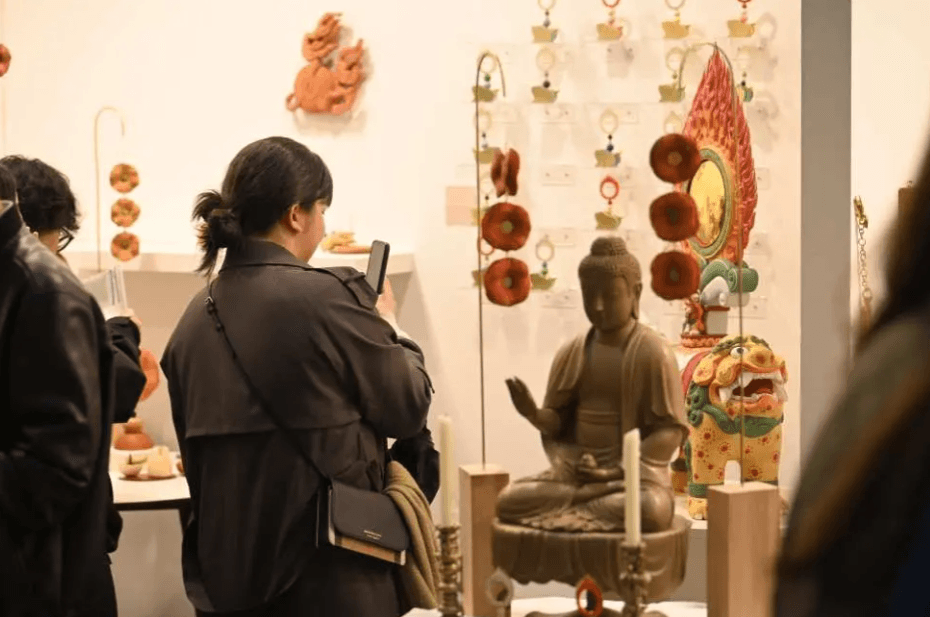
Seoul (AsiaNews) – The 2026 Seoul International Buddhism Expo just closed its doors to considerable success, with over 250,000 visitors in four days, a 25 per cent increase over last year and a 185 per cent jump compared to 2023.
The turnout was surprising not so much for the sheer numbers, but for the audience profile: 73 per cent of attendees were between 20 and 30 years old, and nearly half declared themselves non-religious.
The event blends tradition and innovation. From DJ sets that transformed the courtyard of the Bongeunsa Temple into a dance floor with electronic music tracks remixed with sacred texts, to meditation workshops, the Buddhist Expo aimed to make accessible a religion that young people perceive as increasingly distant.
The festival attracted not only believers, but also many curious visitors attracted by the event and its entertainment aspect.
In addition to K-pop dance performances featuring monks, the temple also hosted matchmaking sessions for people looking for a soulmate, offered Buddhist-themed collectibles, and allowed participants to practise various types of meditation and attend a tea ceremony.
These experiences helped turn the temple into a cultural marketplace.
Recent data published by the Pew Research Institute indicate a decline in Buddhism in East Asia.
China, South Korea, and Japan have seen a steady decline in numbers, especially among the younger generation, who maintain cultural ties without identifying as religious and therefore no longer actively visit sacred sites.
For this reason, “Programmes like these are designed to give people a reason to step into temples they might not otherwise visit,” one organiser said.
The 2026 Seoul International Buddhism Expo tried to address this situation, not just by focusing on devotion, but also on curiosity and the lightheartedness of the cultural experience.
This way, temples can present themselves as vibrant venues, accessible even to non-practitioners, keeping Buddhism relevant amid the decline in traditional faith.
This event shows that innovation and pop culture can offer new avenues for engagement without sacrificing traditional values.
However, some monks fear turning Buddhism into a fad among young people.
“If we focus only on attracting people without preparation, it could backfire," a monk of the Korean Taego order explained to the Korea Herald.
For South Korean Venerable Dogyun of the Hyegwangsa Temple, known for her innovative approaches to faith, Buddhism is "freedom”.
“People often think Buddhism has to be quiet or serious,” she explained. “But that’s a misconception. Buddhism is about freedom – and that includes how people experience and express it.”














