








Citizenship, a 'weapon' Gulf monarchies use in the war against Iran
Kuwait-born US journalist Ahmed Shihab-Eldin was arrested and had his passport revoked for publishing the video of a US fighter jet crashing. A similar measure was taken against 21 other people, including two sisters. Bahrain has revoked the citizenship of 69 people accused of sympathies with Iran. Activists see the conflict as giving the authorities an “opportunity to crack down even harder”.
Kuwait City (AsiaNews) – The consequences of the war launched by the United States and Israel against Iran are not limited to economics and trade, as evidenced above all by the blockade of the Strait of Hormuz, but also threaten to upend domestic structures and societies of the countries involved.
First, the migrant labour crisis risks stalling local economies, and altering the demographic composition of countries, with governments exploiting tensions to expel those segments of the population they deem unwelcome.
The main weapon used in this internal war is citizenship, which is revoked according to arbitrary principles, a practice recently reported in Kuwait and Bahrain.
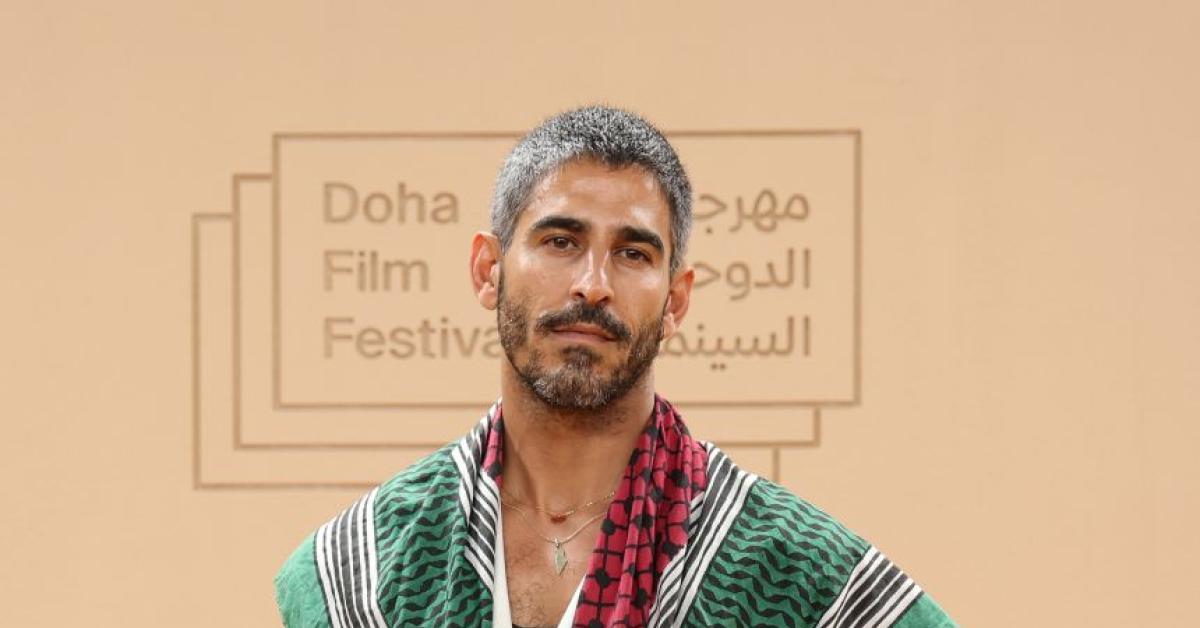
A case in point is that of Ahmed Shihab-Eldin (pictured), an American journalist originally from Kuwait, who was stripped of his Kuwaiti citizenship.
He spent several weeks in prison for sharing images related to the current Gulf War; after his release, he was notified that his Kuwaiti citizenship had been revoked, and the same measure was taken against his two sisters.
“I am free – but many remain behind bars in Kuwait and across the region for speaking the truth. Today, my sisters and I have become part of the more than 50,000 Kuwaitis who have had their citizenship revoked,” Shihab-Eldin said in a statement issued on Wednesday by his legal team.
The 41-year-old journalist was detained on 2 March, while visiting his family in the Gulf country.
The Committee to Protect Journalists (CPJ) notes that the detention is related to the sharing of publicly available footage and images related to the war in Iran with posts including a video of a US fighter jet crashing on Kuwaiti territory.
Ahmed Shihab-Eldin was released last week and acquitted of all charges, according to his legal team, but this was not enough to prevent the cancellation of his passport.
The notification came from the Supreme Committee for the Investigation of Kuwaiti Nationality, which announced the revocation of his passport along with that of 21 other people, all dual nationals.
In a statement, the committee said that they simply enforced Article 11 of Kuwait's nationality law, which prohibits dual citizenship.
The journalist's name, as well as those of his two sisters, Lana and Luma, were on the list of 21 names.
“Citizenship stripping in Kuwait has become a recurring tool to silence dissent,” said Falah Sayed, of MENA Rights Group, speaking to Middle East Eye.
This practice is “part of a broader pattern of weaponising nationality laws against human rights defenders, which have documented regularly over the past year,” he added. “This is not the first case, and sadly, it will not be the last.”
Like other Gulf states, Kuwait has imposed severe restrictions on online content in the wake of the regional conflict, particularly to limit reporting of attacks on the country’s energy and military infrastructure.
Kuwait has also stripped many Kuwaitis of their citizenship due to domestic political issues, a measure NGOs and activist groups have called unfair and discriminatory and could affect hundreds of thousands of people.
This process has markedly accelerated with the outbreak of the war with Iran. Among those who lost their citizenship in recent months is the respected Islamic scholar Tareq al-Suwaidan.
Under legislation adopted in December 2024, citizenship can be lost on grounds like “moral turpitude or dishonesty, or for actions aimed at threatening state security, including criticism of the emir or religious figures”.
Several issues are behind the current revocation campaign, which began months ago with thousands of people targeted, including a crackdown on dissent and economic considerations.
For decades, Kuwait provided generous welfare packages to its citizens, as well as migrant workers, thanks to oil revenues and post-Gulf War initiatives (the first with Iraq, sparked by Saddam Hussein's invasion of its neighbour).
Tiana Danielle Xavier of the Institute on Statelessness and Inclusion explains that last December's citizenship revocations were linked to an attempt to safeguard welfare, without triggering economic collapse.
“There are well-established international laws,” she added, “which prohibit depriving someone of their nationality arbitrarily, prohibit discrimination in the treatment of people, protect an individual from being rendered stateless and ensure that any decisions made need to follow due process”.
This issue isn't unique to Kuwait. This week Bahrain also revoked the citizenship of 69 people accused of sympathising with Iran and "aiding foreign entities”.
In fact, experts and activists note that many of those affected by the measure are “Ajami”, a term referring to long-established communities in the Gulf Arab states whose ancestors emigrated from southern Iran.
Another element linking the measures is the fact that the announcement came just days after a meeting between the Bahraini king and the Kuwaiti foreign minister.
“Unfortunately, since the beginning of the war on Iran, the GCC[i] regimes have taken this as an opportunity to crack down even harder,” said activist Maryam al-Khawaja.
Like other Gulf states, Bahrain is a monarchy and represses most political dissent. However, unlike other states in the region, the royal family is Sunni, while estimates suggest that the majority of the population (just over 50 per cent) is Shia.
As early as March, up to 250 people were arrested for allegedly posting messages opposing the conflict or expressing solidarity with Iran. In this regard, officials in Bahrain claim to have arrested "spies" working for the Islamic Republic. At the end of April, the government announced its intention to review the citizenship of anyone deemed "disloyal" to the country.
Another Gulf state, Oman, changed its citizenship laws in February 2025. Parts of the reform state that nationality can be revoked if citizens commit "a verbal or physical offense against the Omani Sultanate or the Sultan himself" or join an organisation that could harm the nation.
Rights activists argue that because there is no definition of such acts or organisations, the government can use the law against its adversaries and opponents.
Finally, the United Arab Emirates (UAE) has recently been accused of similarly unfair measures against Iranians living in the emirate, some of whom have found their work permits revoked.
Emirati authorities deny taking such measures, saying the expatriates remain part of their community, but independent media analyses and investigations have confirmed the revocation of permits.
[i] Gulf Cooperation Council.

.png)
04/09/2008
26/04/2023 13:22
01/10/2021 09:13










