








Colombo: the global capital of shark and ray research
From 4 to 8 May, Sharks International 2026 took place, the world’s leading event in the sector for experts and enthusiasts. The event was attended by 800 people representing 82 countries, with over 800 papers presented. Sri Lanka is a crucial hotspot of high biodiversity in the Indian Ocean, yet heavily exploited for shark and ray fishing.
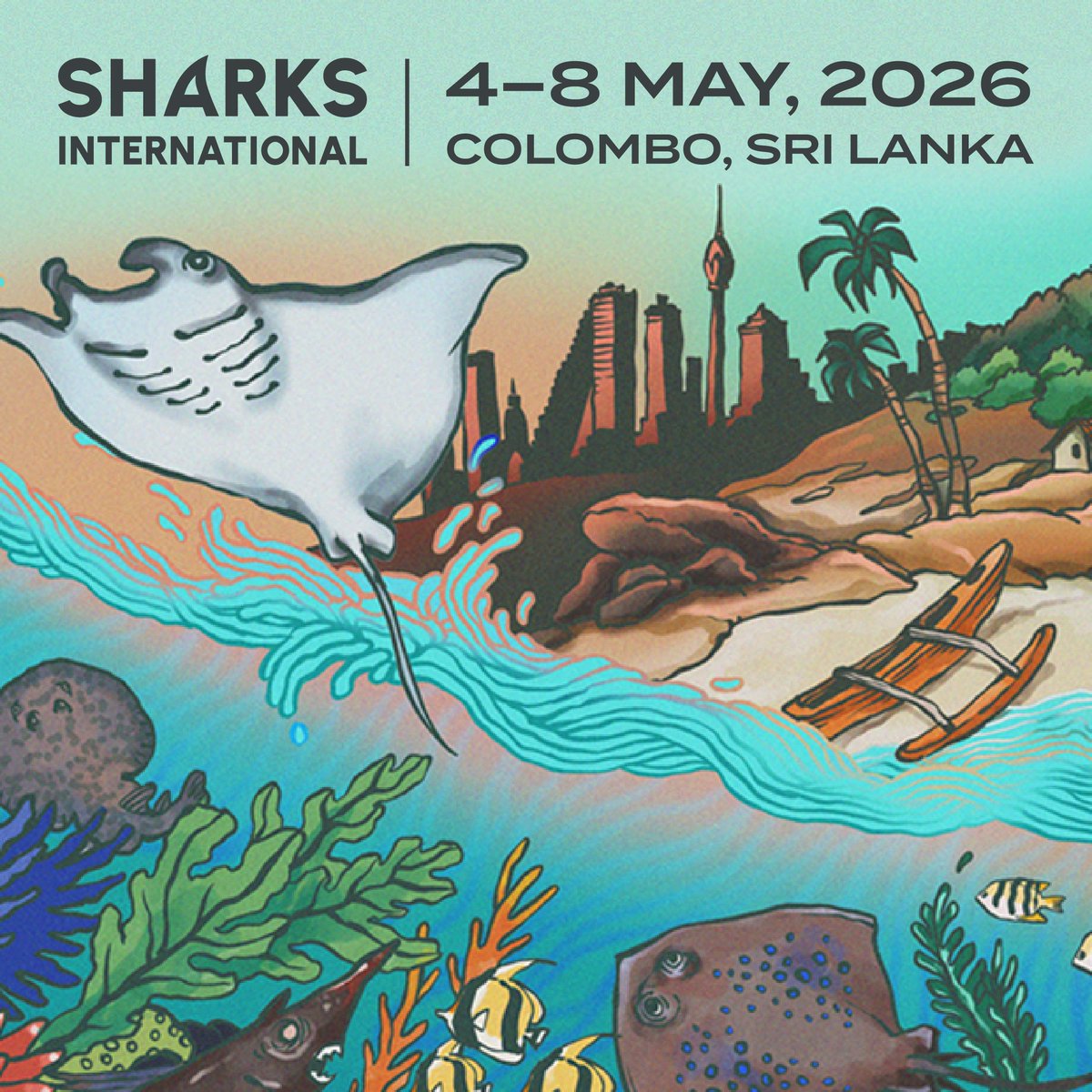
Colombo (AsiaNews) - Colombo, the world capital of shark and ray research. This is the view of experts and scientists, with the Sri Lankan capital having recently hosted ‘Sharks International 2026’ (SI2026), the world’s largest conference dedicated entirely to sharks, rays and chimaeras. Held from 4 to 8 May, the event represented a milestone for global marine conservation and for the future of the island’s environment and nature. It was also the first time in the conference’s history that it was held in Asia, as previous editions, at least until now, had taken place in Australia, South Africa, Brazil and Spain.
The conference, hosted by the Sri Lankan conservation organisation Blue Resources Trust (BRT), demonstrated how a small island nation is capable of making a significant contribution to marine science and policy at a global level. SI2026 highlighted the link between science and policy, through sessions in which participants explored various topics, including how research can influence marine protected areas, international agreements and fisheries management, including conservation at the community level.
Other topics covered included satellite tracking of migratory sharks, monitoring the fin trade, reducing bycatch, improving fisheries data, discoveries of deep-sea species and emerging technologies for marine conservation. During the event, researchers highlighted the importance of small-scale fisheries (SSF), the backbone of Sri Lanka’s fishing industry: it employs over 175,000 people, a crucial issue for the island nation, where coastal livelihoods and marine conservation are closely intertwined.
Over 800 people attended, including scientists, environmentalists, fisheries experts, policymakers, students and environmental communicators from around the world. Most participants (who had attended all previous editions) described SI2026 as “Sharks International’s most successful conference to date”. According to Daniel Fernando, co-founder of Brt, the local organising partner, representatives from 82 countries attended and over 800 papers were presented, mostly focusing on scientific discoveries relating to sharks and rays.
When interviewed by AsiaNews, marine scientists Achala Tilakarathna and Randesh Sirimanne stated that “Sri Lanka lies at the heart of the Indian Ocean, one of the world’s most significant regions for the presence of sharks and rays, but also one of the most exploited”. “The waters surrounding the island,” the experts continued, “are home to extraordinary biodiversity, including whale sharks, guitarfish, hammerhead sharks, devil rays and deep-sea chimaeras. However, most of these species are threatened due to overfishing, habitat degradation and unsustainable trade.”
“According to the 2014 Red List assessment process by the International Union for Conservation of Nature (IUCN), around 24% of shark, ray and chimaera species were at risk of extinction,” the scientists note. “Currently, however, 391 species (32.6%) are at risk of extinction due to overfishing. These species,” they conclude, “are disproportionately threatened in tropical and subtropical coastal waters.”
Dimuth Alwis and Nilanthi Samarasekera, local experts in the field, note that “over a third of all shark and ray species are at risk of extinction. Hosting the world’s most important conference on sharks was a symbolic as well as strategic move, as it shifted the focus towards the Global South and regions where conservation challenges are often the most daunting, whilst scientific opportunities remain under-represented”. “Since the ocean surrounding Sri Lanka is not merely a frontier of resources, but forms part of one of the richest and most fragile marine regions on the planet, protecting sharks and rays – they conclude – does not simply mean saving charismatic predators, but rather preserving the health of the entire ocean ecosystem that supports fisheries, tourism, livelihoods and climate resilience.”
The former Ceylon is situated at a crucial hotspot of high biodiversity in the Indian Ocean, which serves as a key region—one of the most significant in the world—yet is heavily exploited for sharks and rays, whilst it is also the 14th country globally for the hunting and fishing of these species. It also accounts for 2.4% (19,988 tonnes) of global catches of this group of species. For these reasons too, experts note, Sharks International 2026 represents a milestone for the country.

.png)
25/03/2023 13:35
28/11/2018 10:19










