








Delhi: The constitutional amendment on women and political manoeuvring
A rare defeat for Modi in Parliament: Bill to reserve 33% of Lok Sabha seats for women in the 2029 elections rejected. The opposition, led by Rahul Gandhi, rejected the bill, denouncing ‘gerrymandering’: the increase in seats to 850 and the redrawing of constituencies based on 2011 census data would have favoured the North at the expense of southern states.Delhi: The constitutional amendment on women and political manoeuvring
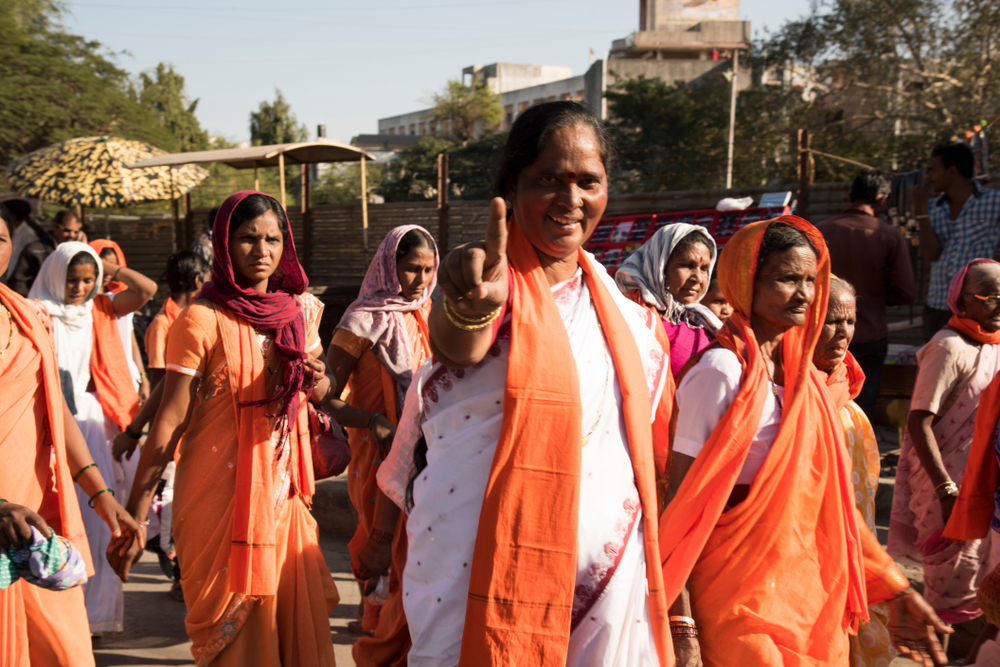
New Delhi (AsiaNews) - The law on quotas reserved for women passed in 2023 (known as the Nari Shakti Vandan Adhiniyam) is historic because it reserves one third (33%) of seats for women in the Lok Sabha – the lower house of the Indian Parliament. Yesterday, however, a new constitutional bill aimed at accelerating the implementation of quotas for the 2029 elections was rejected. The bill failed to secure the required two-thirds majority, receiving 298 votes in favour and 230 against; a qualified majority of 352 was needed.
The 2026 bill (131st Amendment), which was rejected, sought to decouple the quotas from the 2026 census requirement and to use the 2011 census data for immediate implementation. It also proposed expanding the total composition of the Lok Sabha from 543 to 850 seats.
The Leader of the Opposition (LoP), Rahul Gandhi, led Modi’s rare defeat on the bill proposed by the Indian government. Together with Tamil Nadu Chief Minister M. K. Stalin, the opposition rejected the plan, arguing that it was a form of ‘mathematical gerrymandering’ – a label proposed by Gandhi and other figures – that is, the fraudulent manipulation of constituency boundaries to unfairly favour northern states over southern ones due to differences in population growth.
The central government has sought to fast-track the introduction of the 33% quota for the 2029 general elections through a package of three bills, specifically the bill in question, which proposed three radical changes. Firstly, decoupling from the 2026 census, to remove the requirement to refer to the first census conducted after 2026. Secondly, the use of data from the 2011 census, proposing an immediate delimitation (redrawing of boundaries) based on that year’s data. And thirdly, the expansion of the Lok Sabha, providing for the total number of seats to rise from 543 to 850, with approximately 273–283 seats reserved for women (one third).
The crux of the opposition’s resistance centres on the fear that the quotas reserved for women will be used as a ‘smokescreen’ for a massive redrawing of the electoral map. Opposition leaders and southern state governments argue that a redrawing based on current demographic trends would unfairly favour northern states with higher growth, such as Uttar Pradesh, whilst penalising southern states like Tamil Nadu and Kerala, which have successfully implemented population control.
They argue that the redrawing of constituency boundaries is a “power grab” aimed at creating a structural bias in favour of the strongholds of the ruling party, the Bharatiya Janata Party (BJP). The opposition has viewed the bill (131st Amendment) as a “deceptive” attempt to exploit women’s empowerment; a “smokescreen” to push through a fundamental redrawing of the electoral map, without a new census or public consent.

.png)
28/05/2019 10:53










