








Dengue emergency with over 1,000 new cases every week
There have already been 24 deaths in the country since the start of the year, with children particularly at risk from the disease. The Colombo district has the highest number of cases. The government has launched a week-long prevention campaign, including initiatives to eliminate mosquito breeding sites.
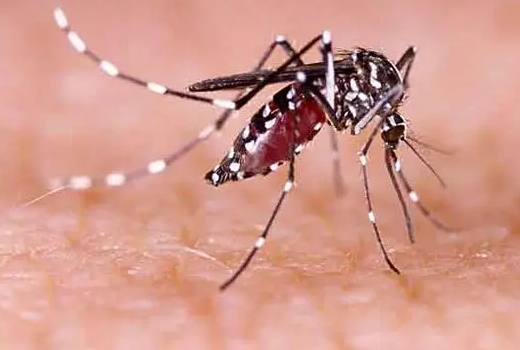
Colombo (AsiaNews) – Like other countries in South Asia, Sri Lanka has been experiencing a worrying resurgence of dengue fever in recent months – a viral disease transmitted by mosquitoes – which is putting the national healthcare system under severe strain. Health authorities have sounded the alarm following a rapid rise in hospital admissions, particularly in the Colombo area, where several hospitals are already overcrowded.
The Minister of Health, Dr Nalinda Jayatissa, has warned that if the number of patients continues to rise at the current rate, hospitals may no longer be able to cope with the emergency. For this reason, he has emphasised the importance of reducing the number of infections through coordinated action between institutions and the public.
Since the start of the year, 41,144 cases of dengue and 24 deaths have been recorded, including four children. The disease has spread across 12 districts and 74 health divisions in the country. The Western Province has been hardest hit: the Colombo district accounts for 20.8 per cent of national cases, followed by the Gampaha district with 17.5 per cent.
Inspections carried out across the country have also revealed a high number of mosquito breeding sites. A total of 28,913 sites containing larvae have been identified, and the most alarming figure concerns educational institutions: schools, nurseries and other educational centres account for 41.8 per cent of the contaminated sites. A further 26 per cent of the breeding sites were found in discarded materials, whilst 14 per cent were in items temporarily set aside.
Particular attention is being paid to children’s health. Dr Deepal Perera, of Lady Ridgeway Children’s Hospital in Colombo, pointed out that, in addition to dengue, influenza, hand, foot and mouth disease and viral meningitis are also spreading. The specialist urged parents to monitor their children’s health closely and to seek medical attention immediately if a fever persists for more than two days.
In view of the seriousness of the situation, the government has also declared a National Dengue Prevention Week from 15 to 20 June. The initiative involves a large-scale clean-up and drainage campaign across the country to eliminate breeding sites for mosquitoes. During a series of emergency meetings between the Ministry of Health, local authorities and other government bodies, it emerged that the number of new weekly cases has now exceeded 1,000 and continues to rise rapidly. The authorities therefore reiterated that the fight against dengue cannot be left solely to the health sector, but requires the direct cooperation of the public.
The government is also considering adopting new strategies inspired by successful international models to strengthen the control and eventual eradication of the disease in the long term. According to Minister Jayatissa, the fight against dengue must be regarded as a national priority and tackled through continuous, effective and coordinated measures.

.png)
12/02/2016 15:14










