








Easter 2019 massacres: charges against security chief formalised
According to investigators' statements in court, there is evidence to support the charges against Suresh Salley in the documentary broadcast by Channel 4. Links have been identified with Islamist circles that could have been part of a plan to destabilise the country with the aim of influencing the political balance. The defence rejects the charges, pointing out that when the bombs exploded, the former general was in Malaysia.
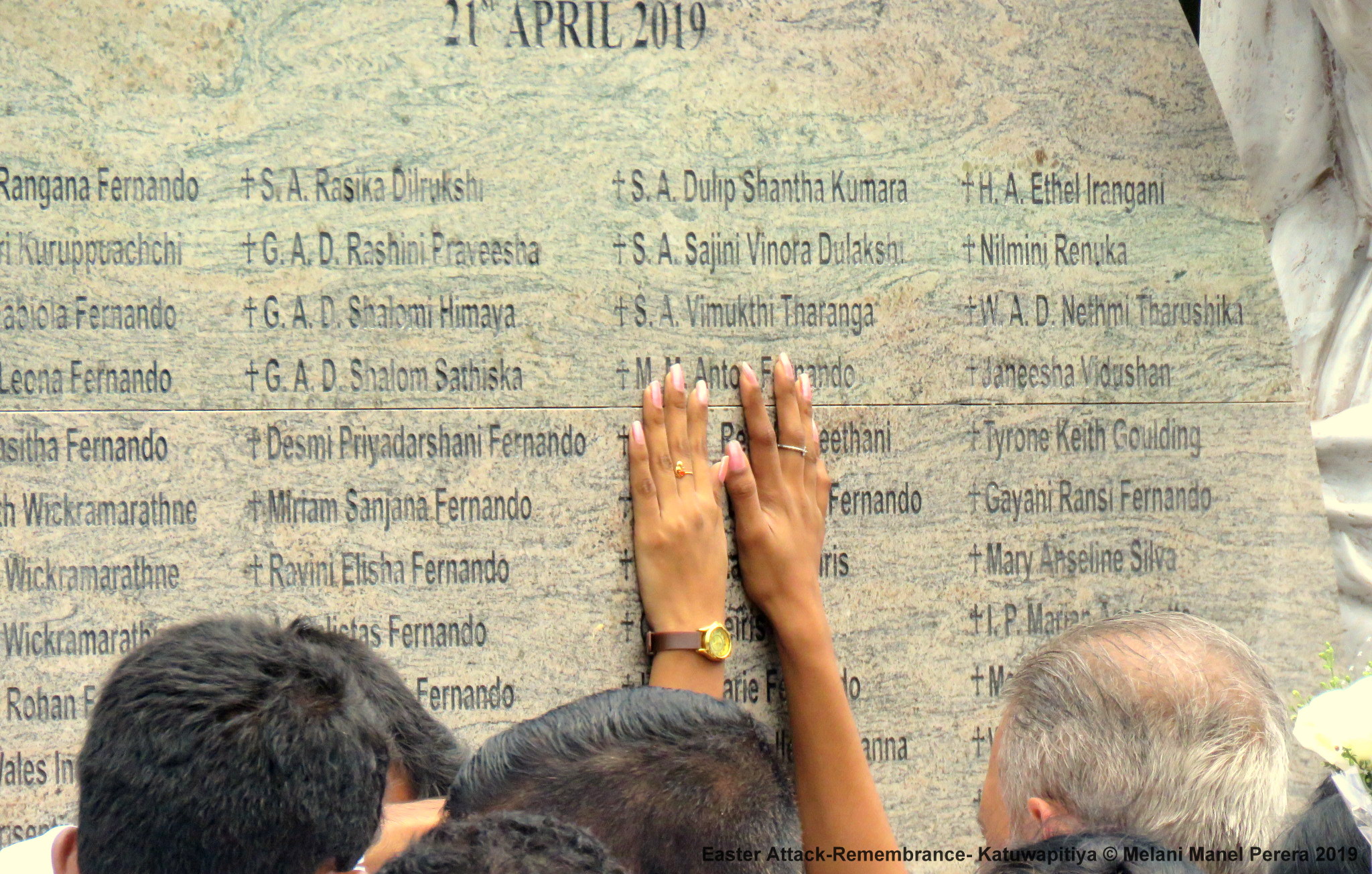
Colombo (AsiaNews) - Following the arrest on 25 February, the charges against the former director of the Sri Lanka Security Services (SIS), former Major General Suresh Salley, in relation to the Easter 2019 attacks on churches and hotels in Colombo that killed 269 people, are taking shape in Sri Lanka.
It is only now, seven years later, that progress is slowly beginning to be seen in the investigation into the attacks. In a hearing before Magistrate Isuru Neththikumara, the former senior official was formally named as a suspect in the judicial proceedings relating to the terrorist attacks that shook the country.
According to the Criminal Investigation Department (CID), Salley is accused of conspiracy and of having directly or indirectly facilitated the attacks. The focus on the former intelligence chief came after new investigations were opened following the British broadcaster Channel 4's documentary, Sri Lanka's Easter Bombing Dispatches, which suggested that there was a wider conspiracy behind the attacks. According to the documentary, the explosions could have been part of a plan to generate a national security crisis and influence the political balance in the country.
In its progress report presented in court, the CID stated that it had identified several alleged links between Salley and those responsible for the attacks. In particular, investigators claim that the former SIS director had gathered information on the activities of the group led by Islamic extremist Zahran Hashim prior to the attack on St. Sebastian's Church in Katuwapitiya, one of the sites targeted on 21 April 2019.
Another central point of the investigation concerns the death of Pulastini Rajendran, also known as Sarah Jasmine, who is considered a key figure in the network linked to the attacks. The woman is believed to have died in the explosion in Sainthamaruthu, but her body was never recovered.
According to the testimony of several senior officials, including former Inspector General of Police C.D. Wickramaratne and former CID Director Nishantha Soysa, Salley repeatedly influenced discussions and decisions within the National Security Council. The alleged interference took place during meetings dedicated to reviewing intelligence activities and investigating the attacks.
The magistrate asked for clarification on how an intelligence officer could summon the police chief before the National Security Council. Investigators explained that such meetings can only be convened by the President, based on information presented by the director of state intelligence.
Salley's defence strongly rejected all charges. Lawyer Anuja Premaratne argued in court that the former SIS director was not in Sri Lanka at the time of the attacks, but in Malaysia, and questioned the validity of the investigative reconstructions. Premaratne also stated that many of the issues raised had already been examined previously by the Supreme Court.
In concluding the hearing, the magistrate pointed out that the charges against the third suspect appear to relate directly to the Easter Sunday attacks and not simply to administrative failings. However, he stressed that it will be necessary to carefully evaluate the evidence gathered and the outcome of further investigations before determining any criminal liability.

.png)
07/02/2019 17:28
12/02/2016 15:14
11/08/2017 20:05










