








Gas and oil in Central Asia: lessons from the Uzbekneftegaz crisis
Burdened by debt following privatisation, the Uzbek company is undergoing a tough restructuring programme aimed at simultaneously increasing production and reducing costs. A warning from a Kazakh industry operator: without transparency and prudent use of resources, others risk suffering the same fate.
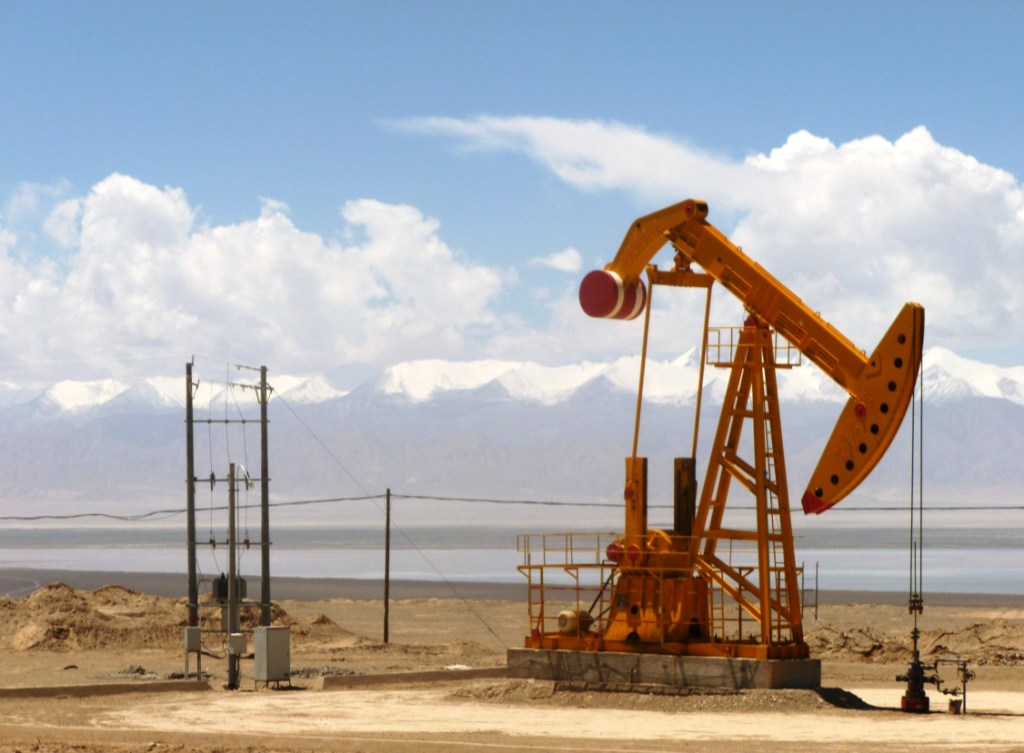
Astana (AsiaNews) - The website Orda.kz has published an analysis by Ruslan Tumatov, director of the Kazakh petrochemical holding company Acrylate, on the need for Kazakhs to learn the lessons of oil sector management from the mistakes made by Uzbekistan, where the energy sector has fallen into crisis, while today we cannot afford to succumb to the great challenges of the new geo-economic balance.
He refers to the story of the company Uzbekneftegaz, with which he worked in the past, which became bogged down by large debts and is now forced to undergo a radical transformation.
In the second half of the 2010s, Tumatov participated in the privatisation of chemical companies in the Uzbek republic, enthusiastic about the positive dynamism that this sector seemed to express.
As he recalls, 'the speed of drilling, the commissioning of gigantic mining and chemical plants and the huge budgets aroused professional admiration and, frankly, even envy. It seemed that our neighbours had found the formula for a perpetual motion machine in the gas chemical industry. Recognising these economic opportunities, I tried to participate in the process by involving our companies at the service and procurement level, but that's when I encountered incredible resistance."
Operators in different sections of the company refused to use the most effective services of competitive technologies offered by foreign companies, and the funds raised for large projects were misused. The result was a sharp decline in production: in 2025, oil production fell by 8%. Gas production, on the other hand, increased by 2.4%, although experts consider this growth to be short-term in the context of long-term decline. In both cases, the main factor was the depletion of key fields.
Under these conditions, the main player in the sector, Uzbekneftegaz, gradually increased its debt obligations, which, according to Tumatov, led to the de facto loss of energy sovereignty through a system of forced external management by creditors.
Thus, “what only yesterday seemed like unstoppable growth turned into a prolonged nosedive”. This very story should serve as a warning to Kazakhstan's oil and gas industry, which is in a more advantageous position than its neighbour thanks to its solid raw material base, reserves and partnerships with major global operators. To maintain growth, KazMunajGaz must develop a transparent long-term development programme, and the government must implement sector reform to prevent the depletion of oil sources through reckless use, which also threatens to happen in Kazakhstan.
Tumatov therefore proposes following certain fundamental principles, starting with the liberalisation of the domestic gas and oil market, supporting a “mass modernisation” of the technological base and active expansion beyond Kazakhstan's borders to continuously compensate for the exploitation of reserves.
At the same time, the Kazakh company must free itself from some of its social obligations, which divert funding from more crucial projects. He says he understands the desire of managers to reduce expenses and increase profits, but “times are difficult, we are facing a crisis, which on the other hand opens up new possibilities”, when sufficient liquidity can and must lead to “acquiring new projects and reserves, bringing about a profound internal transformation”.
Uzbekneftegaz itself has been forced to approve a major restructuring programme, including debt restructuring and increased gas extraction. The Uzbek authorities have required the company to reduce extraction costs, increase profitability and improve the company's financial situation, and according to the expert, the Kazakhs should not wait for orders from above, which ‘would inevitably come too late’ to allow for genuine effectiveness in a sector so important for the entire economy of Kazakhstan, and by extension for the whole of Central Asia.
Photo: John Hill/Wikipedia

.png)










