Delhi (AsiaNews) - A bill introduced on 25 March by the Lok Sabha, the lower house of the Indian Parliament, aimed at amending the Foreign Contribution Regulation Act (FCRA, the law regulating foreign funding for associations and groups) is sparking debate and protests among Christians. It proposes a legal framework providing for the creation of a new “designated authority”, tasked, among other things, with “seizing, managing and disposing of the assets of organisations that lose their FCRA licence”.
As Fr Paul Thelakkatt, former spokesperson for the Syro-Malabar Synod and former editor of the influential religious magazine Light of Faith, explains to AsiaNews, it is “cloaked in rhetoric extolling national security” against “foreign interference” and appears to be “in bad faith”. In fact, he adds, it becomes “a tool to enforce the Hindutva agenda”, a nationalist ideology that aims to establish Hindu cultural and political hegemony.
The battle against the amendment in Parliament is linked to the controversy raised by the priest regarding the “tons of gold” adorning Hindu temples but not used to fund activities for the poor, whilst the crackdown on Christian organisations over foreign funds is intensifying. A controversy that has also erupted over a video that went viral, and was shared by the online newspaper Mathrubhumi, containing a (critical) response to the bill and which has triggered strong reactions.
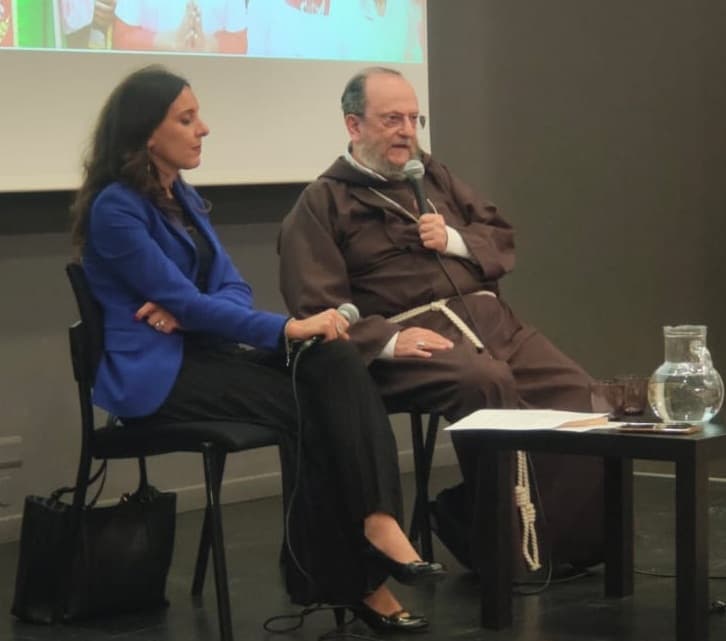
In the video, Fr Thelakkatt responds to the discussions that have flared up around the controversial bill in the Lok Sabha, with a clear reference to religious institutions and their assets. During his remarks, the priest drew a comparison between the Church’s activities and the wealth of a Hindu temple, stating: “The Church is not hoarding all its money […] how many tonnes of gold are stored in the great temples? All this should be used for the benefit of human beings.” He then defended the role of Christian institutions in India, adding: “The accusation levelled against Christians in this country is that NGOs with foreign accounts are committing some sort of crime against the nation in India.”
Addressing concerns about foreign funding, he noted that “Christians are a minority community in India. Naturally, they will receive foreign funds. These funds come through government channels, and there are government regulations” to be followed. Highlighting the contributions of Christian-run institutions, the priest emphasised that they run “thousands of schools. Then there are universities, hospitals and orphanages. Who is running all this? Are they not Indians? Is all this not being done for the Indians?”. Nevertheless, these initiatives, which benefit the entire population regardless of their professed faith, are portrayed as if Christians “were committing some form of treason or crime against the nation”.
Referring to the framework provisions of the FCRA, Fr Thelakkatt wonders why such a “harsh” regulation is being imposed, one whose sole purpose is to “suppress these institutions and NGOs? What offence,” he asks, “have they actually committed?”. The priest then offers a broader reflection, highlighting that the amendment conceals a sort of “forced imposition of a Hindutva ideology”, according to which Christians “should not be allowed to carry out these services in India”. Describing the approach as “negative” and “inhuman”, he attacks it: “It is a negative, inhuman approach […] to suppress religious institutions, which the government is now seeking to implement through this law”.
The “humanistic” approach that focuses on the person and seeks to meet their basic needs—which inspires the Church’s social work—is also part of Indian culture, as evidenced by the lives and works of prominent figures such as Sai Baba and Mata Amritanandamayi. This demonstrates, continues Fr Thelakkatt, how “service is becoming a value shared across traditions. Perhaps the real question is not whether temples or churches possess wealth, but how effectively that wealth is transformed into service for society. Educating the underprivileged in India and serving the sick from all sections of Indian society – he continues – has become a sin, and we are being punished for it.”
This different attitude, he accuses, clearly reveals and draws inspiration from “M. S. Golwalkar’s Hindutva ideology, which regards minorities in India as internal enemies who must be fought and subdued”. The spirit of the race “has been reawakened”, but regulations can only be “credible when they are transparent and impartial. This is not the case with the restrictions” contained in the amendment to the FCRA. The government, the priest concludes, must “rethink its approach to this issue and ensure that any regulations on foreign funds it introduces are fair and transparent”.