








Phnom Penh: NGOs call for stricter controls on major Chinese projects
A forum bringing together over a hundred civil society organisations has urged the government to impose stricter rules for assessing the environmental and social impact of Beijing’s investments in Cambodia. For the NGOs, the issues concern hydroelectric dams and the controversial Funan Techo canal, whilst Phnom Penh defends the projects as essential for growth.
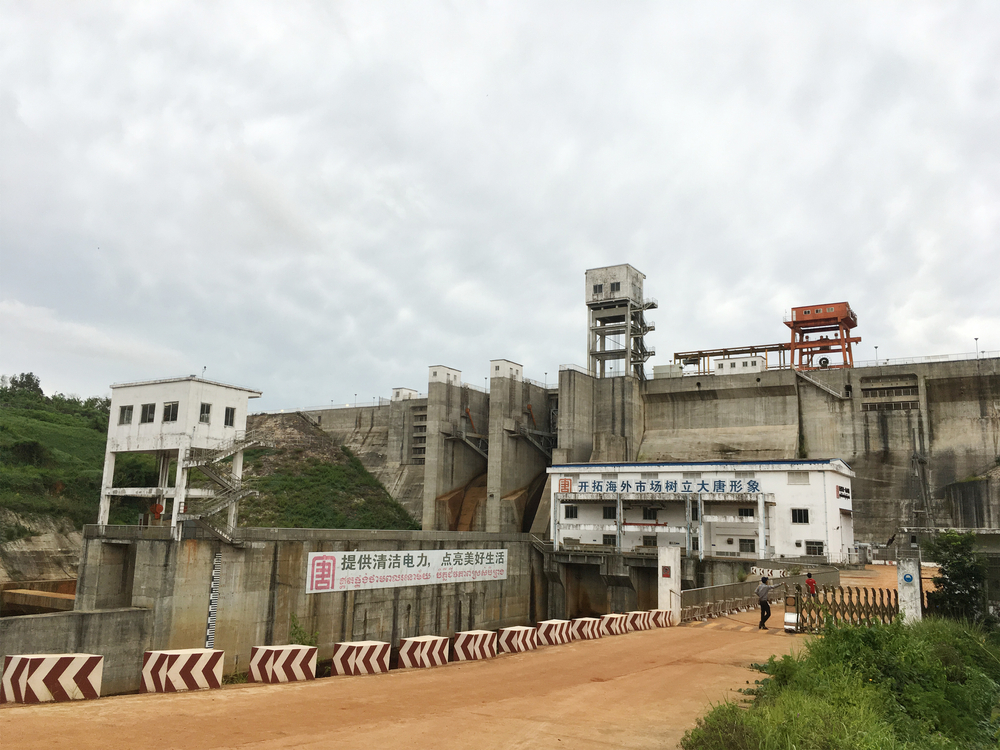
Phnom Penh (AsiaNews) - Several Cambodian civil society organisations have called for stricter controls on large-scale infrastructure projects funded by China, which they accuse of damaging the environment and the lives of local communities.
The appeal was launched by the Cambodian NGO Forum, a network bringing together over a hundred local and international organisations which have urged the government to strengthen environmental and social impact assessment procedures for Chinese projects to protect vulnerable populations, particularly indigenous communities.
“Chinese investment has contributed significantly to Cambodia’s economic development,” said the Forum’s executive director, Soeung Saroeun, during a meeting attended by NGO representatives, government officials and diplomats. “But today, investment must shift from a growth-only approach to one based on sustainability. Transparency, accountability and community participation are essential to ensure equitable and lasting benefits.”
China has been Cambodia’s main economic partner for years. According to official data, Chinese companies account for around 70% of foreign direct investment in the country. In 2025 alone, more than half of the 630 projects approved by the Cambodian Development Council, with a total value of around billion, were attributable to Chinese investors.
This presence has contributed to the construction of roads, bridges, airports, industrial zones and energy facilities, including a .8 billion national hydropower project due to be completed by 2029.
Human rights organisations have, however, pointed out that these investments often come at a high social cost. According to Human Rights Watch, some dams built with Chinese support have led to the displacement of indigenous communities in the north-east of the country, near the border with Laos, flooding farmland and burial sites.
One of the most controversial cases is that of the Lower Sesan II dam, which forced up to 10,000 people to leave their homes after flooding nearly 350 square kilometres of land. Dams financed by Beijing have so far contributed to deforestation and the disruption of river ecosystems, affecting fish stocks across the entire Mekong basin.
Cambodian NGOs have also cited the Funan Techo canal, a .7 billion infrastructure project intended to link Phnom Penh to the Gulf of Thailand via a network of waterways connected to the Mekong.
Whilst the Cambodian government views the project as a strategic and economic necessity, which would reduce freight transport costs and lessen dependence on trade routes passing through Vietnam, critics question both the project’s economic viability and its environmental impact.
Vietnam has also expressed concern about the possible consequences for the flow of the Mekong’s waters and the fragile ecosystem of its own rivers, on which a significant part of the country’s agricultural production depends.
A survey carried out in 2024 by the Cambodia NGO Forum shows that around 80% of respondents have doubts about whether Chinese companies involved in major infrastructure projects are complying with Cambodian laws.
The Cambodian Ministry of the Environment has so far rejected the allegations: “All development projects must undergo rigorous environmental and social impact assessments,” stated Secretary of State Tea Choup.
The Chinese embassy in Phnom Penh also maintains that it encourages its companies to comply with local regulations. Spokesperson Chen Qiqi emphasised that Chinese investment contributes to job creation and the development of local communities, adding that Beijing is working with the Cambodian authorities to promote sustainable growth.
Criticism of Chinese companies in Cambodia is part of a wider debate affecting the whole of Southeast Asia. Other infrastructure and industrial projects funded by Beijing in countries such as Laos and Myanmar have also been accused of causing environmental degradation, forced displacement of populations and water pollution.
A Southeast Asian diplomat based in Phnom Penh, who asked to remain anonymous, acknowledged Cambodia’s need to modernise its infrastructure: “The question is not whether to build, but how to do so,” she explained to AsiaNews.
“There are still questions regarding the transparency of certain contracts and the way in which priorities are set. And often the consequences for people who risk losing their homes are not adequately assessed,” she added, also highlighting the link between foreign investment and local political power. Many major economic partnerships, in fact, often involve groups close to the family of the current Prime Minister Hun Manet and his father Hun Sen, now President of the Senate, but who continues to exert a strong influence on the country’s political life.

.png)










