








Reform of the Sharia courts: Anwar reassures minorities
According to Malaysia’s Prime Minister, measures to strengthen the system of Islamic courts will concern their organisation and not their jurisdiction over non-Muslims in a country where the balance with the civil courts remains a sensitive issue. The pitfall of possible differing interpretations depending on individual states
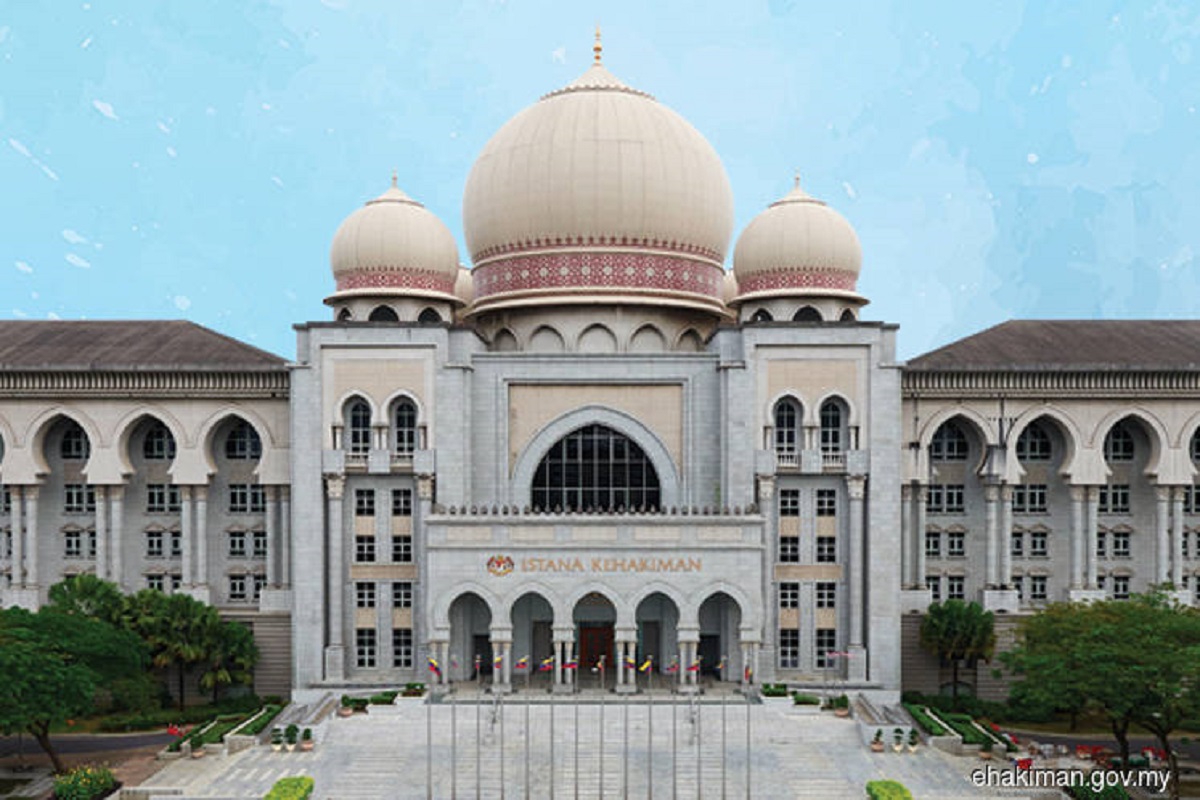
Kuala Lumpur (AsiaNews) - Efforts to strengthen the Sharia court system in Malaysia – which applies Islamic law – will not infringe upon the rights of non-Muslims to practise their religion. This was stated by Prime Minister Anwar Ibrahim, against a backdrop of persistent public sensitivity regarding the balance between civil and religious jurisdictions.
Anwar stated that the government remains committed to enhancing the status and functioning of the Sharia judiciary, whilst ensuring that constitutional safeguards for non-Muslim communities remain intact. “There may be minor causes for concern, but the system is not intended to deny them the right to practise their religion,” he said, adding that reforms to the Sharia system are being carried out within the framework of Malaysia’s constitutional order.
He stated that the government’s approach reflects Malaysia’s dual legal system, in which Sharia courts have jurisdiction over matters of Islamic law concerning Muslims, whilst civil courts apply to all citizens. “We must uphold the dignity and prestige of the Sharia courts, in line with our recognition as a nation in which Islam is the religion of the Federation,” he said. Anwar also noted that, during his three years as Prime Minister, no member of the Cabinet – including non-Muslim ministers – had opposed proposals aimed at strengthening these institutions.
Malaysia operates a dual-track legal system under the Federal Constitution. Civil courts derive their authority from federal law, whilst Sharia courts fall under the jurisdiction of the states and are limited to matters concerning Muslims, including family law, religious offences and matters relating to personal status.
Despite this clear structural separation on paper, tensions regarding jurisdictional boundaries have arisen periodically. High-profile cases concerning religious conversions, child custody disputes and the limits of the Sharia courts’ powers to impose penalties have fuelled recurring national debates on the balance between religious authority and constitutional safeguards.
The Federal Court’s ruling in the ‘Indira Gandhi’ case (a legal battle centred on parental rights and the unilateral conversion of a child to Islam – ed.), which in 2021 reaffirmed the supremacy of the civil courts in interpreting the Constitution, remains a key reference point in discussions on the limits of jurisdiction. More recently, the debate has continued over the scope of Sharia courts’ jurisdiction following legislative amendments at the state level aimed at expanding their powers to impose penalties, some of which have subsequently been challenged or reviewed at the federal level.
Since taking office, the Anwar government has generally adopted a stance emphasising the institutional strengthening of Islamic governance structures, alongside guarantees of constitutional protection for non-Muslims.
Government officials have described the reforms to the Sharia courts as administrative and capacity-building measures, rather than as an extension of jurisdiction into areas of civil law. These include proposals relating to staffing, training, the efficient management of proceedings and the strengthening of legal infrastructure. However, the distinction is often politically sensitive, particularly when regulations adopted at state level intersect with the boundaries set by the Federal Constitution.
The Prime Minister’s statements also form part of a broader context of coalition government, in which the federal administration comprises parties representing diverse religious and ethnic communities. This has required a delicate balance on issues concerning Islam, the law and civil rights. Although government leaders have repeatedly emphasised that the strengthening of Sharia courts will not affect non-Muslims, civil rights groups and constitutional experts have in the past called for clearer legislative safeguards to prevent overlapping jurisdictions.

.png)










