








Settlers exploit war in Iran to commit new acts of violence in the West Bank
Two Palestinian brothers were shot dead in a raid in Qaryut, south of Nablus. New attacks and assaults also in the Christian village of Taybeh. Fr Bashar: not isolated incidents, but a ‘growing pattern of violence’ that raises “concerns”. Barriers and isolation, the West Bank increasingly similar to the Strip, victim of ‘state violence’.
Milan (AsiaNews) - These days, the international community's attention is focused on the war launched by Israel and the United States against Iran on 28 February, which has spread to involve several Gulf countries and Lebanon, even reaching the shores of Europe with yesterday's attack on the British base in Cyprus.
However, as has already happened in the past in the shadow of the conflict in Gaza, Jewish settlers, with the support of the ultra-right-wing government of the Jewish state - which includes ministers who are openly pro-settlement - are continuing to launch attacks against Palestinians in the West Bank. In one of the latest incidents, which took place yesterday, a group of Jewish extremists stormed the village of Qaryut, south of Nablus, killing two people with gunshots and wounding four others, two of them seriously.
According to the Palestinian Ministry of Health, the victims were two brothers, 52-year-old Mohammad Taha Muammar, who was shot in the head, and his brother Fahim, 48, who was shot in the pelvis.
The Palestinian Red Crescent Society treated several wounded in the area where the settlers' attack took place, including a 15-year-old boy. Eyewitnesses say that the settlers fired bullets at residents and set fire to Palestinian property.
At the same time, the Israeli forces that intervened did not stop the settlers, who continued to act and shoot undisturbed while firing tear gas at the village residents after the assault, including the wounded.
Premeditated assault
Muhammad Al-Boom, 20, a resident of Qaryut and a paramedic, witnessed the killing of the two brothers first-hand, standing next to Muhammad Taha when he was killed. According to the young man's account, the victim left his home to try to prevent the settlers from entering his property.
A video released by a local activist group shows a dozen masked settlers at the scene when, suddenly, Taha is shot in the head. ‘I was right next to him when he fell,’ Al-Boom recalls, adding that he tried to provide first aid. ‘It was a settler who shot him,’ he continued. ‘I saw him. He was five metres away.’
The clash, which began yesterday morning, intensified around noon after villagers saw a bulldozer levelling a path through an olive grove. Palestinians threw stones to try to stop their advance, and settlers opened fire to force them to retreat to the nearest houses, which belonged to the Taha family.
The young witness recounts chaotic scenes as settlers threw stones at the Taha family's houses, breaking their windows. Since Hamas' attack on Israel on 7 October 2023 and the ensuing war, the area has seen a wave of displacement, settlement expansion and an escalation of violence against Palestinians at the hands of extremist settlers.
Christians in Taybeh targeted
Attacks, intrusions and violations have not spared the village of Taybeh in the West Bank, which has about 1,500 inhabitants and three churches and is located 30 km north of Jerusalem and east of Ramallah. It is the only village inhabited entirely by Christians.
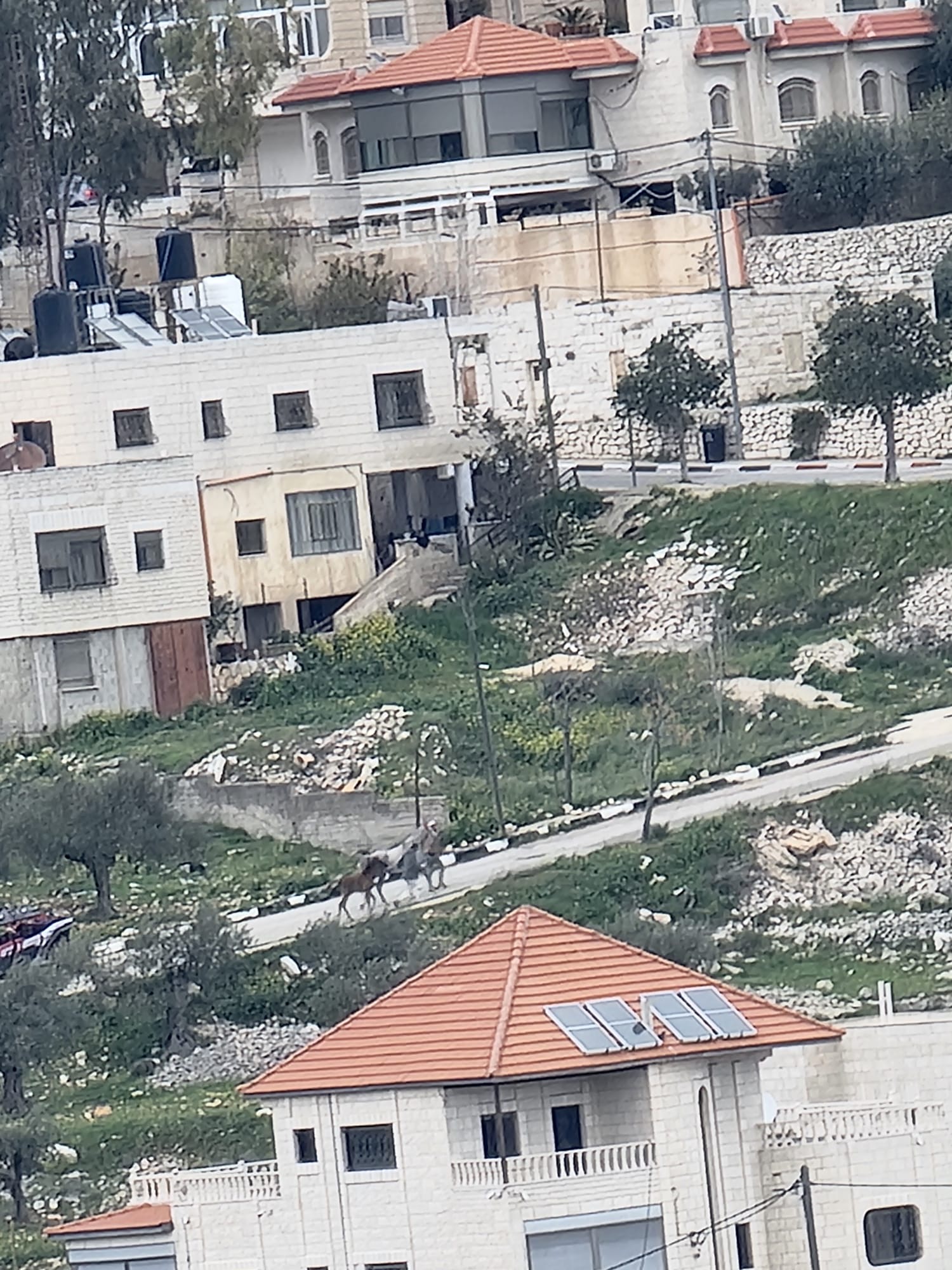
Last summer, the area was already the scene of an escalation of attacks that continued in recent months, contributing to a climate of terror. Reached by AsiaNews, Latin parish priest Fr. Bashar Fawadleh recounts: ‘On 28 February [the first day of attacks by Israel and the United States on Iran, ed] at around 4 p.m., a group of settlers entered the town of Taybeh and illegally trespassed on land belonging to the Khouryeh family, stealing the family's horse and its foal.’
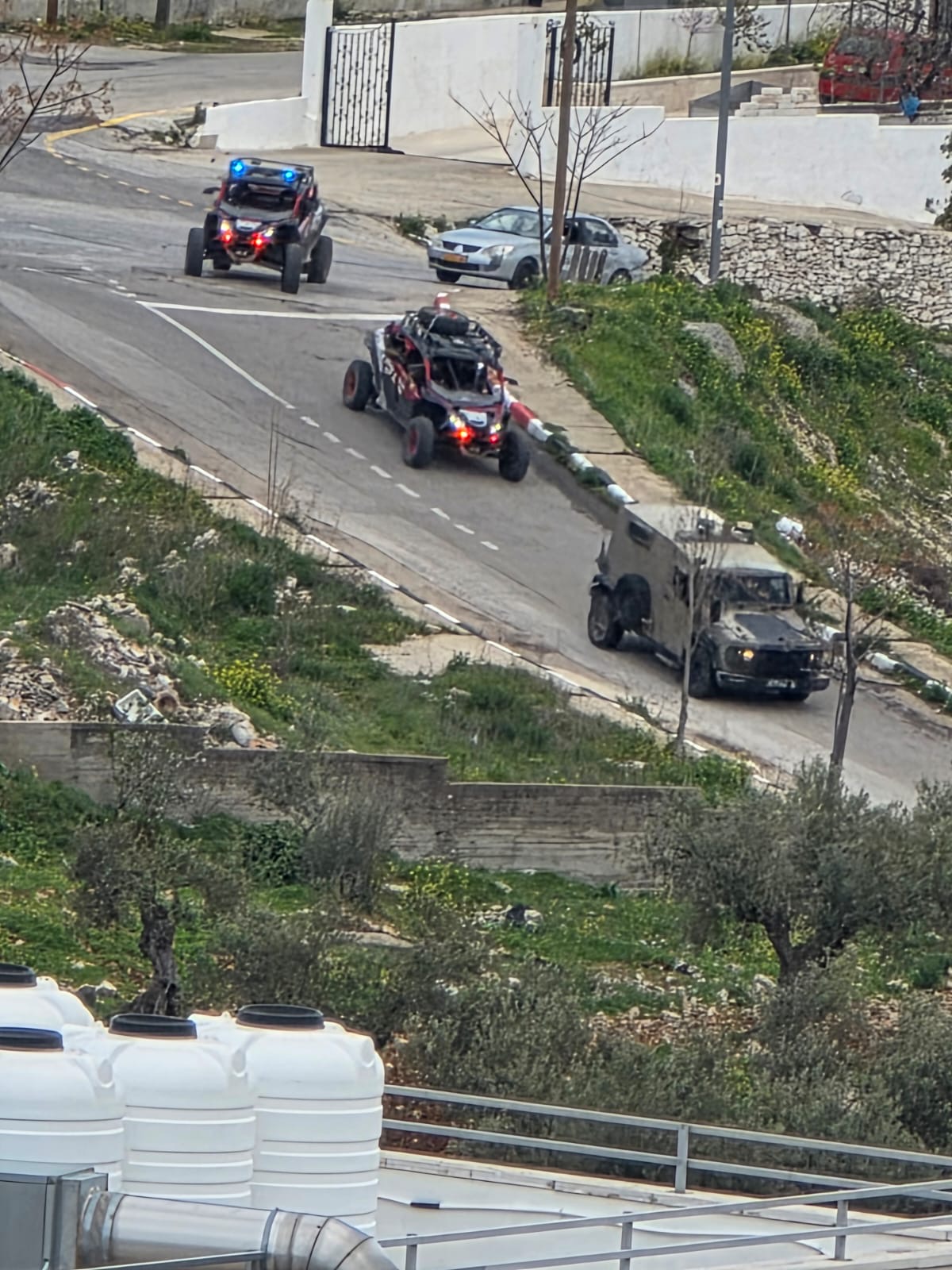
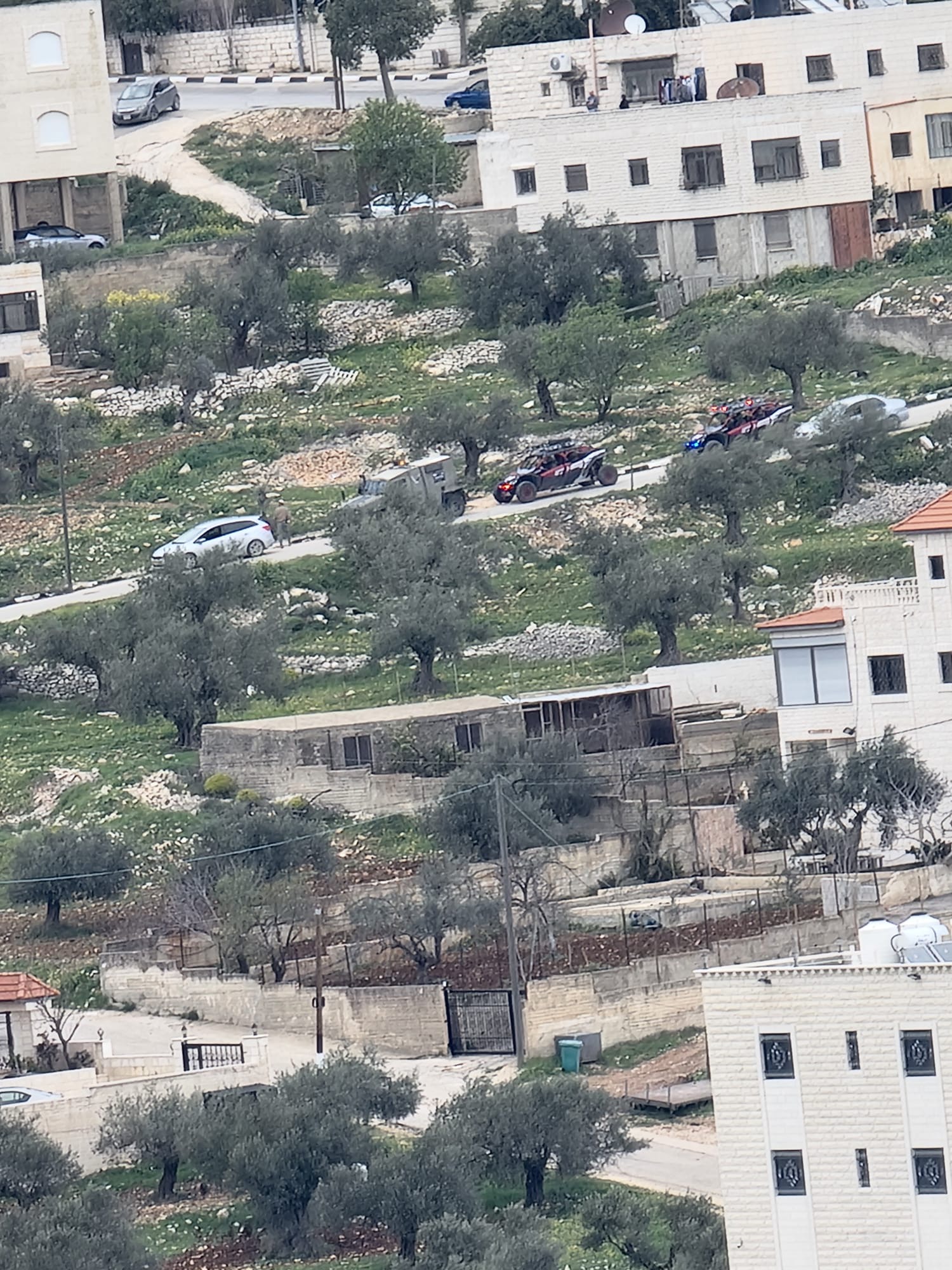
The residents called for help, the priest continues, but ‘the Israeli army and police arrived on the scene and escorted the settlers out of Taybeh, still in possession of the stolen horse and foal.’
‘This incident,’ explains Fr. Bashar, ‘is part of a context of significant escalation of settler attacks in various areas of the West Bank in recent months’ with ‘incursions into agricultural land, damage to property, theft of livestock and attacks on residents.’
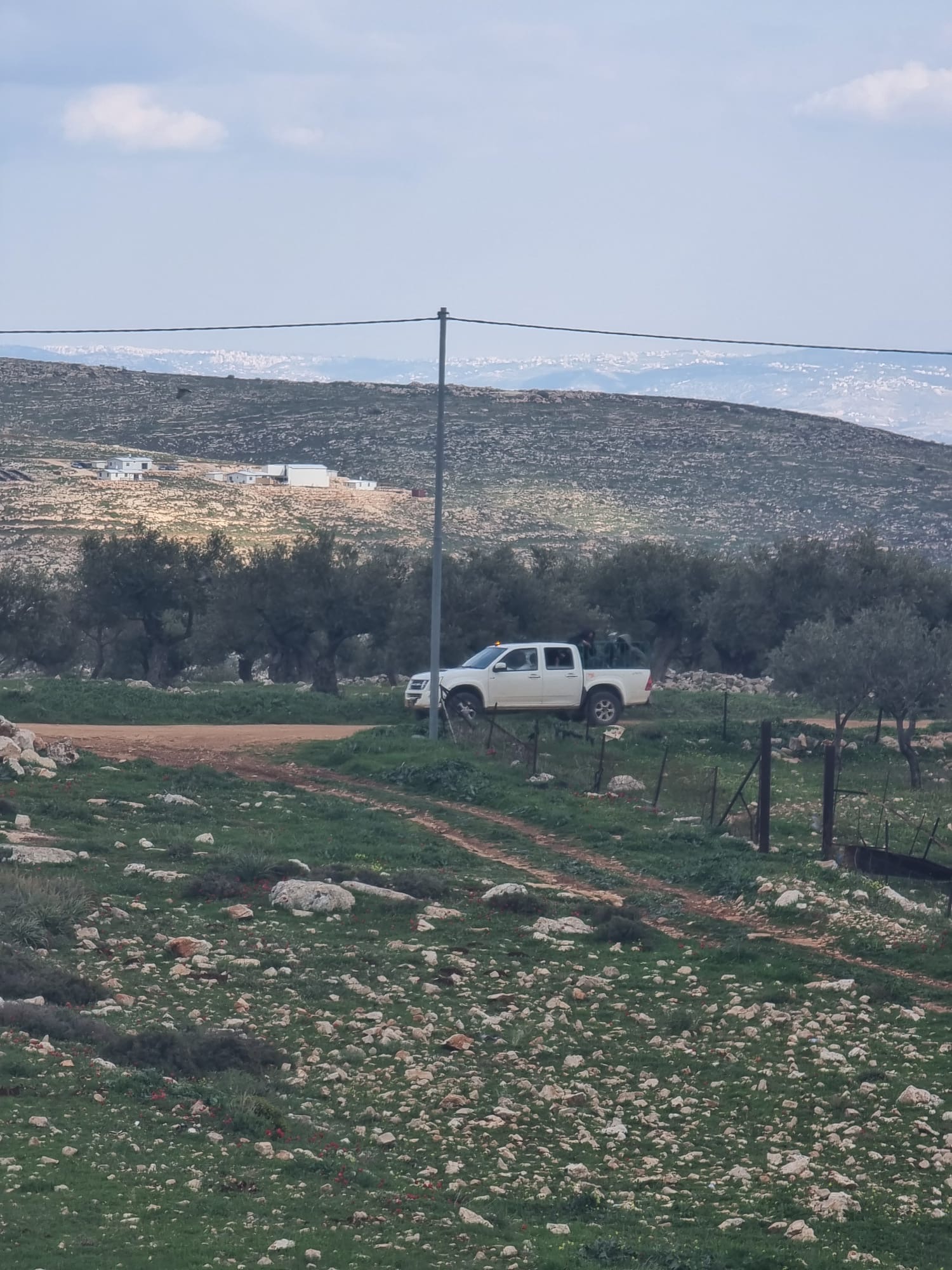
These assaults (in the photos) occur with particular frequency near outposts and settlements, where settlers ‘attempt to impose a new reality on the ground by pressuring farmers and landowners and driving them off their land.’ These are not isolated incidents, but a ‘growing pattern of violence’ that raises "concerns. Many families now live in a state of constant fear, as these incursions come closer and closer to their homes and sources of livelihood,‘ concludes the parish priest, fuelling ’insecurity and instability for families who depend on land and livestock for their income and way of life."
West Bank like Gaza
Meanwhile, the Israeli army has installed a new iron gate at the entrance to the village of Baytin in the West Bank, adjacent to Taybeh, transforming the entire area into a sort of open-air prison modelled on the Gaza Strip, albeit on a smaller scale at the moment.
For weeks, the occupying forces have been imposing severe restrictions on movement in several provinces of the West Bank, closing military checkpoints and access to cities and towns, with a further tightening since the start of the war with Iran last weekend.
Among the closures is that of the al-Aqsa Mosque, with Muslim worshippers unable to pray, especially during Ramadan, the holy month of fasting and prayer in Islam. Hamas and the Palestinian Mujahideen movement have condemned the blockade and called on Arab and Muslim countries to take action to support the place of worship and uphold its sanctity.
Since last December, the Israeli authorities have promoted a series of illegal measures with the aim of expropriating Palestinians from their lands in the West Bank, including East Jerusalem, and making annexation “a fait accompli”, as denounced by Amnesty International (AI).
These policies represent “an unprecedented escalation” in terms of speed and scope, as part of the expansion project. And while successive Israeli governments have pursued policies aimed at entrenching occupation and apartheid, the latest measures underscore how the current administration has stepped up these efforts in the shadow of the genocide in Gaza.
'What we are witnessing is a state, led by a prime minister wanted by the International Criminal Court on charges of war crimes and crimes against humanity, openly boasting of defying international law.
Despite hundreds of UN resolutions, advisory opinions from the International Court of Justice and global condemnation, Israel continues to expand illegal settlements, entrenching its cruel system of apartheid and destroying Palestinian lives and livelihoods," accuses Erika Guevara-Rosas, AI's senior director for research, advocacy, policy and campaigns.
Recently, the far-right government has benefited from the ‘unconditional support’ of the US government, the activist movement accuses. Added to this is the ‘pervasive lack of international accountability’ for the “genocide” of Palestinians in Gaza, decades of ‘crimes under international law’ related to illegal occupation and the apartheid system.
Hence the formalisation of the occupation of land, aware and confident that “there will be no consequences”. To date, some 750,000 settlers are currently living illegally in the West Bank and East Jerusalem. And according to Peace Now, an Israeli NGO that monitors settlement expansion, a record number of 86 outposts were established in 2025 alone for ‘livestock’ purposes, contributing significantly to the peak of ‘state violence’ by settlers and the forced transfer of Palestinian communities.
Protected by the Israeli army and funded by the Ministry of Agriculture, the outposts ‘have turned the lives of Palestinian farmers and shepherds, particularly in Area C, into hell’.

.png)
11/08/2017 20:05










