








Uzbekistan’s new focus on its culture
By 2030, Tashkent plans to increase the share of the ‘creative economy’ in gross domestic product to 5%. In recent years, two new theatres, 19 cultural centres, 16 museums, 20 music and art schools, and five universities specialising in the sector have been opened. Mirziyoyev wants to restore the Uzbeks to their former glory, whilst also seeking to present a new face of the country.
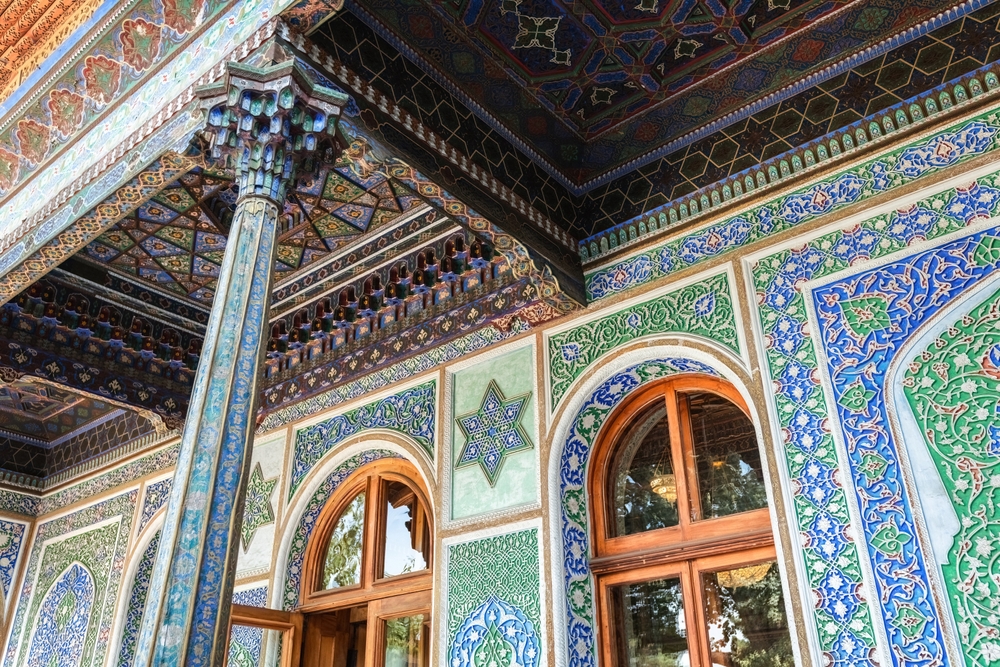
Tashkent (AsiaNews) - The President of Uzbekistan, Shavkat Mirziyoyev, extended his congratulations to those working in the arts and culture sector on the occasion of the Day dedicated to creative professions, stating that “art and culture serve as tools for spiritual formation and are an important sector of the creative economy”, describing “the development of cultural diplomacy” as particularly important. For this reason, all practitioners, masters of the arts and young performers “faithfully serve the people with their unique talent, knowledge and skill”.
The President called for strengthening the capacity to “support the creative industry, expand the market for cultural services and export the output of this particular sphere of human activity”.
By 2030, Uzbekistan intends to increase the share of the creative economy in gross domestic product to 5%, and to this end, the Creative Industry Park will be established: “I am convinced that with your knowledge, experience and creative potential, we will be able to take our national culture to a new level,” Mirziyoyev assured, adding that “we will continue to prioritise comprehensive support for the sector and the proper recognition of the work of creative professionals and practitioners”.
As the president noted, in recent years two new theatres, 19 cultural centres, 16 museums, 20 music and art schools and five universities in the sector have been opened in Uzbekistan, and restoration and conservation work has been carried out on 125 sites of historical and cultural heritage. Last year, a decree was issued on the development of fine and applied arts, and construction began in Tashkent on the new building for the National Museum of Uzbekistan; this year, reconstruction work and the opening of new spaces are planned in the Central Exhibition Hall, the building of the Directorate of Art Exhibitions, and the Republican Art School named after Pavel Benkov, one of the greatest Soviet painters who died in Samarkand.
As for ‘Uzbek cultural diplomacy’, frequent forums, competitions, festivals and cultural days are held. Last year saw the organisation of the UNESCO General Conference session in Samarkand, the first International Biennial of Contemporary Art in Bukhara, the Aral Cultural Summit in Nukus, the Turanian Culture Forum in Khorezm, and also the first meeting of the Ministers of Culture of Central Asia and Azerbaijan in Tashkent. As Mirziyoyev noted, “our country’s participation in international processes in the arts is expanding, and our standing in this sector is growing, with distinguished representatives of Uzbek art performing in Europe’s most prestigious cultural venues, attracting considerable attention from abroad”.
On the stage of the Grosses Festspielhaus in Salzburg, the Uzbekistan National Ballet gave the premiere performance of the ballet “Ljazgi, Dance of the Soul and Love”, and at a concert held at the world-renowned Musikverein in Vienna, a work dedicated to the 690th anniversary of Amir Temur was presented, Tamerlane, who established the greatest Turkic-Mongol empire, from which the most significant history of Uzbekistan and all of Central Asia derives.
Shavkat Mirziyoyev’s ambitions are restoring the Uzbeks to their former glories, whilst also seeking to present a new face of the region’s most populous country, which is approaching 40 million inhabitants and aims to position itself as a vital bridge between Asia and Europe, between East and West, in times of great conflict and serious uncertainty about the future.

.png)










