








With data centres running out of fuel, Bangladeshi telecommunications are at risk of collapse
Bangladesh’s energy crisis, caused by the war in the Middle East and heavy dependence on imported oil and gas, is jeopardising the operation of data centres, which are crucial to the local telecommunications network. Fuel supplies are low, and operators warn that potential blackouts could disrupt calls, Internet, and text messaging across much of the country.
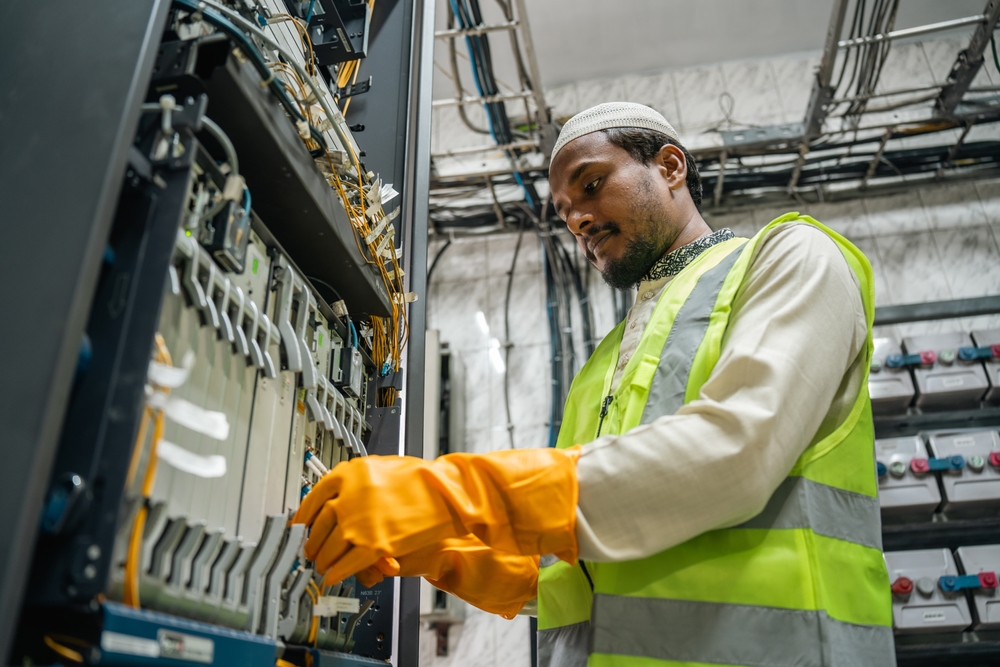
Dhaka (AsiaNews) – The energy crisis affecting Bangladesh threatens to paralyse the country's digital infrastructure since reserves are low and data centres are rapidly running out of Q fuel needed to operate, the Association of Mobile Telecommunications Operators of Bangladesh (AMTOB) reported.
These facilities consume between 500 and 600 litres of diesel per hour, 4,000 litres per day per facility, a quantity that local providers are no longer able to guarantee.
In addition to being essential for the development of artificial intelligence, data centres host and manage call, text messaging, and Internet traffic, enabling the continuous exchange of data among users and operators.
“Multiple strategically vital telecom facilities are currently running on dangerously low fuel reserves,” the AMTOB warned, stressing that a data centre shutdown would have ripple effects on the entire system.
“A partial or complete network blackout could bring calls, Internet, SMS (text messages) and all other services to a standstill or cause severe disruption,” AMTOB secretary-general Mohammad Zulfikar said.
Like other Asian countries, Bangladesh, a country of approximately 170 million people, is facing a severe fuel shortage due to the war in the Middle East.
The country imports approximately 95 per cent of its oil and gas, largely from the Gulf states. In recent weeks, lines at gas stations have reached 10-12 hours.
In a letter sent today to the Telecommunications Regulatory Commission (BTRC), AMTOB warned that operations would no longer be sustainable without an immediate supply of fuel.
“The situation has escalated beyond the operational control,” the letter says. “If these conditions persist, there is an imminent risk of large-scale telecom network shutdowns across significant parts of the country.”
In an effort to contain the crisis, the government raised fuel prices on 18 April: diesel, by 15 per cent (from 100 to 115 taka per litre); and gasoline by 16 per cent (from 116 to 135 taka, equivalent to around US$ 1.10).
"The entire world has adjusted prices – even the US,” noted Energy Minister Iqbal Hasan Mahmud who explained that the measure was related to the crisis.
The increase, however, has triggered protests in the transport sector, with demands for fare adjustments by bus and river transport operators.

.png)
22/04/2026 16:59










