








Clash over solar power pricing in Pakistan
The country’s power regulator introduced new rules to contain the costs of buying back excess energy from photovoltaic systems. Faced with protests from those who installed the systems, Prime Minister Sharif promised a fair solution. Conflicting interests risk slowing the growth of renewable energy sources.
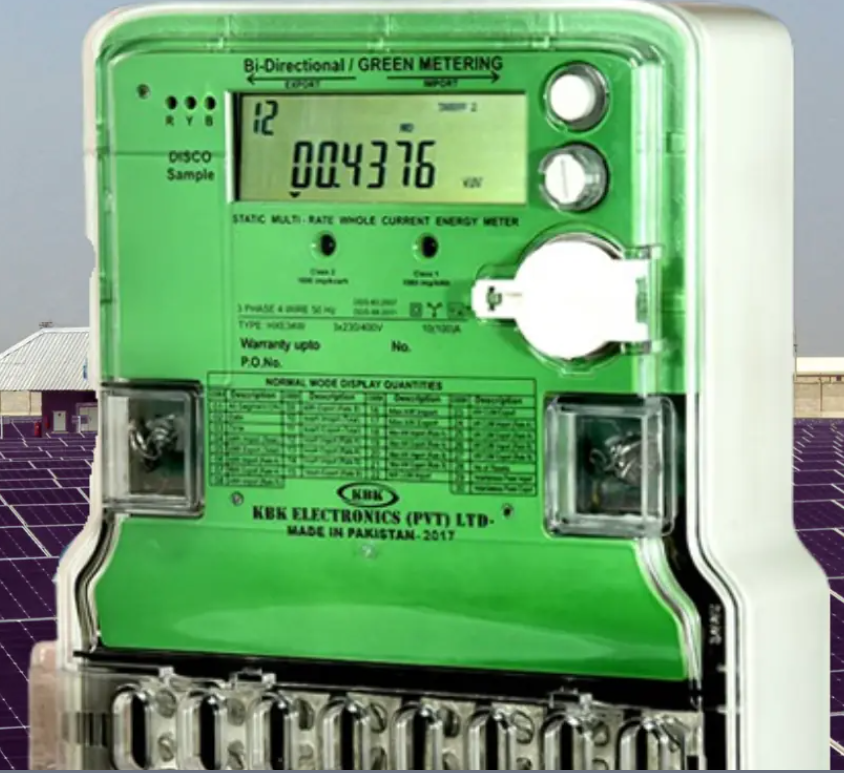
Islamabad (AsiaNews) – Pakistani Prime Minister Shehbaz Sharif today directly intervened on new regulations introduced by the National Electric Power Regulatory Authority (NEPRA) regarding solar energy consumers, known as prosumers.
NEPRA recently replaced the current net-metering pricing system (based only on the amount of energy produced and consumed) with a net-billing system (which applies market rates to excess energy produced and resold to the national grid), modifying the contractual terms for all existing and future users. The reform, according to the agency, aims to protect the state electricity grid.
The introduction of the new system sparked cross-party protests in the Senate, involving both government-allied parties and the opposition. This prompted Sharif to take notice, ordering the Power Division to file an appeal with NEPRA to "safeguard existing consumer contracts”.
The prime minister emphasised, however, that the benefits of the approximately 466,000 prosumers currently in Pakistan must not burden the 37.6 million households connected to the national grid.
With net billing, the power produced by prosumers is purchased by distribution companies for approximately 10-11 rupees per unit (i.e., the state's cost of energy), while power drawn from the grid will be billed separately at a cost of 37 to 55 rupees per unit, depending on the consumption level.
This method replaces the "unit-for-unit" net-metering compensation system, in which power fed into the grid was valued at the consumer price, in a system that is much more advantageous for prosumers.
The new rules also introduce five-year contracts (instead of the previous seven years).
A ban on installing systems beyond the original authorised load is now in place, reducing the maximum capacity by 50 per cent compared to the previous period. Crediting for export units is also limited to one month instead of the current three.
NEPRA has justified the change to better integrate distributed generation into the grid and ensure technical and economic stability.
The regulator argues that the new system introduces clearer procedures, more stringent technical requirements, and a billing method more consistent with real costs, preventing solar expansion from penalising non-solar users.
Experts and stakeholders warn, however, that net billing could slow the spread of solar power, lengthen the payback period, and discourage new users, especially among low-income groups.
Cuts in feed-in tariffs and capacity restrictions risk incentivising isolated self-consumption, with users relying solely on the grid as a backup or even choosing oversized battery systems to disconnect from the grid.
This could exacerbate grid underutilisation problems and complicate the recovery of fixed costs.

.png)
18/11/2024 16:55










