








Malaysia to grant status to Rohingya asylum seekers, address labour shortages
Malaysia’s Refugee Registration Document framework, a programme for asylum seekers held in the country’s immigration detention centres, became operational on 1 June. So far, some 4,000 people have been registered, mostly Rohingya who fled Myanmar. The programme, the government stressed, is not aimed at granting citizenship.
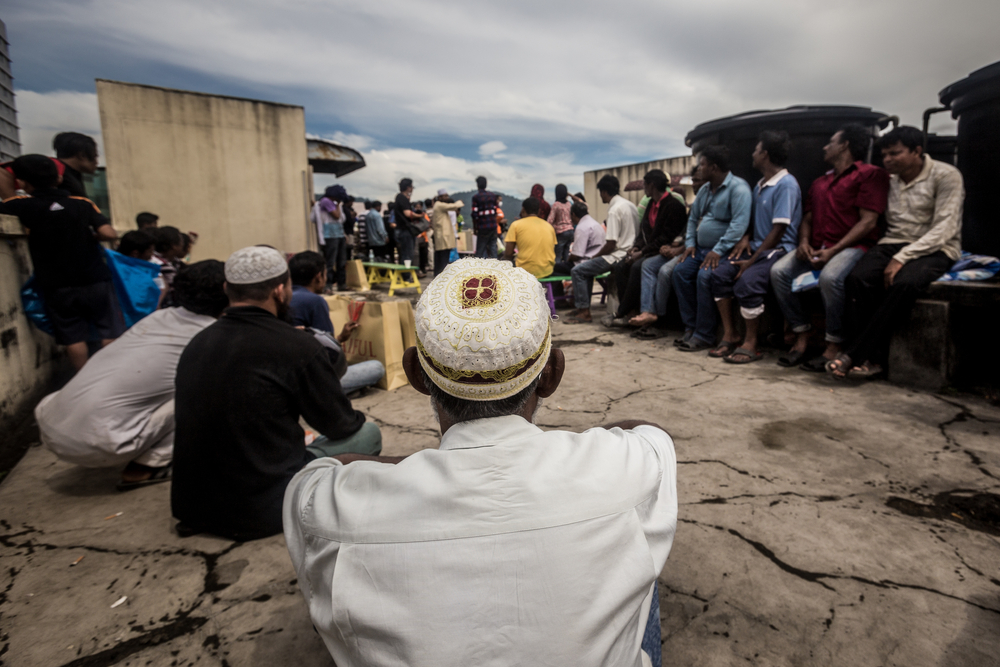
Kuala Lumpur (AsiaNews/Agencies) – Malaysia's new refugee policy is now being implemented. Announced in July last year, and formally starting earlier this year, the initial operational phase of the Refugee Registration Document framework (Malay: Dokumen Pendaftaran Pelarian or DPP) began on 1 June, and involves mostly Rohingya refugees and other asylum seekers held in the country's immigration detention centres.
In mid-June, the Home Affairs Ministry will present the cabinet with the comprehensive plan to manage more than 200,000 refugees and asylum seekers living in Malaysia. So far, some 4,000 people have been registered, mostly Muslim Rohingya from Myanmar, where they are denied citizenship.
According to Malaysian authorities, the new system will give legal status to the refugees and improve their security and living conditions.
The programme also seeks to encourage the employment of people aged 20 to 40 in sectors suffering from chronic labour shortages, like manufacturing, agriculture, construction, and the tertiary sector.
Some estimates indicate that legal access to employment for refugees could boost Malaysia’s GDP by some US$ 750 million over five years, with also benefits in terms of tax revenue.
The new framework provides protections to workers, including the obligation for employers to comply with national regulations, and pay the minimum monthly wage, around US$ 430, and provide adequate housing.
However, the reform has generated mixed reactions. Business associations believe it could help reduce reliance on irregular foreign workers, who are often more expensive to manage. Human rights organisations, on the other hand, are calling for transparent procedures and concrete guarantees against abuses and exploitation, which many refugees already endure.
For its part, the government has made it clear that the DPP is not a path to permanent residency. Malaysia is not a signatory to the 1951 United Nations Refugee Convention and has always viewed the issue through the lens of security and public order, proving unwilling to allow external inspections of refugees' actual conditions.
Regularisation appears to meet the need to boost the labour pool for sectors experiencing shortages.
“Malaysia must make this scheme work by ensuring confidentiality, due process, collaboration with the U.N. Refugee Agency, and safeguards against detention, forced returns, and data misuse,” said John Quinley, director of the NGO Fortify Rights, which works with Rohingya refugees.
“Ultimately, the DPP will only be meaningful if it protects refugees rather than leaving unaddressed refugees’ risk of arbitrary immigration control,” he explained. “The government should ensure that no refugee or asylum seeker is arrested, detained, or deported because they are still waiting to be processed”.

.png)
19/12/2024 15:01
08/05/2025 14:50










