Abu Dhabi (AsiaNews) – The US and Israeli bombing campaign against Iran has destroyed part of the Islamic Republic's infrastructure, transport network, and industry, disrupting domestic production and triggering a surge in basic food prices.
The fragile truce appears to be barely holding, despite clashes reported recently with the two sides firing at each other, which US President Donald Trump has downplayed, dismissing them as skirmishes.
The US blockade against Iran remains in place, with intensified pressure on the regime, hindering trade through the Strait of Hormuz, which both parties have effectively blocked since the conflict began on 28 February.
In response to the war, Tehran is looking for alternative transport routes in Pakistan (and Afghanistan, as already reported) and Russia, a valuable ally, across the Caspian Sea.
The need to expand transport routes is also pushing the Islamist regime to exploit their alliance with China, a key trading partner, to ship oil to China via a revived Persian "Silk Road" capable of circumventing blockades.
Steve H. Hanke, professor of applied economics at Johns Hopkins University in Baltimore, explains that alternative routes can provide the Iranian economy with consumer goods, food, and industrial materials, but "cannot replace" the container economy.
“Trucking is more expensive and Caspian throughput is constrained by port and fleet capacity,” the expert noted. In the past, he served as economic adviser to the US administration under President Ronald Reagan.
There will be costs and higher inflation, but not Iran’s "economic implosion" as some had predicted.
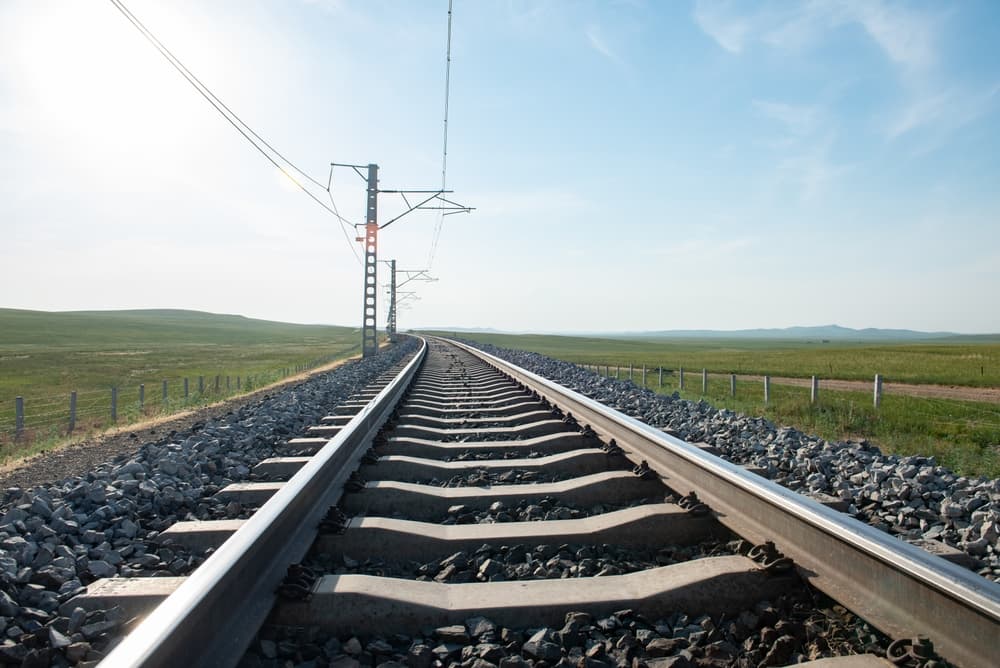
Regarding transportation, rail is among the alternatives being considered by the Islamic Republic's leaders, particularly the rail corridor leading to China, which could prove valuable, especially for oil transport.
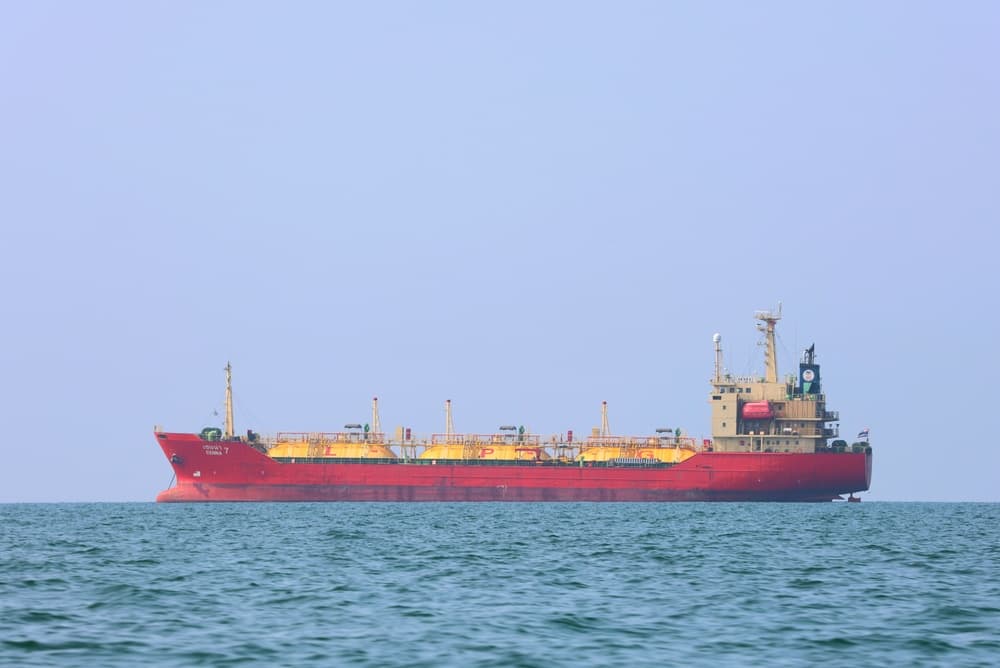
The US blockade has significantly disrupted crude oil exports by sea, but has not stopped them entirely. Some Iranian-flagged oil tankers have managed to bypass the blockade, according to cargo tracking group Vortexa and maritime data firm Lloyd's List.
According to expert calculations, the Islamic Republic should be able to sustain the blockade for another two months, thanks in part to the 130 million barrels of Iranian oil already at sea before the blockade went into effect.
Still, Iranian leaders are looking at alternative routes, such as the railway to China, which purchases about 90 per cent of Iran's supplies, according to Hamid Hosseini, spokesman for the Iranian Oil Exporters' Union.
Rail infrastructure connects Iran to the Chinese cities of Yiwu and Xi'an. The Kazakhstan-Turkmenistan-Iran corridor opened in 2014 and was extended by the 10,400-kilometre Chinese freight link, completed in 2025.
“Rail can move strategically meaningful volumes, but it cannot, in the near term, substitute for tankers at scale,” Hanke noted. “Its value is partly logistical and partly political: it operates entirely outside any waterway a Western navy can patrol, and entirely outside the dollar payments system, since China has settled Iranian oil in yuan since 2012.”
At present, sea transport remains the most efficient, but land transport, road or rail, remains a valid alternative, especially for circumventing the US embargo.
In the short term, volumes will be smaller due to the availability of tanker lorries, but recipient countries could make more available, thus increasing trade volumes and strengthening access to oil in a tight market.
Meanwhile, a South Korean ship has successfully crossed the Red Sea and is en route to its home country, the fourth such oil shipment, as confirmed today by the Ministry of Oceans.
This news has been welcomed in Seoul, which is working to move oil via alternative routes to circumvent the Hormuz blockade.
After loading the crude oil at the port of Yanbu in Saudi Arabia, the ship crossed the Red Sea this morning and is now headed to South Korea, although details of the voyage are being kept strictly confidential for security reasons.
The ministry has stated that it will continue efforts to stabilise oil shipments to the country and take measures to ensure the safety of South Korean ships and crew members sailing through the region.
Energy was also a central focus of the 48th summit of the 11-member Association of Southeast Asian Nations (ASEAN), held from 6 to 8 May in Cebu, Philippines.
Speaking at the meeting today, Philippine President Ferdinand Marcos Jr., ASEAN's rotating chairman, emphasised that the Gulf War has led to "higher living costs" and "threatened livelihoods" both in "our homelands and amongst our nationals in the Middle East."
Southeast Asia has been among the regions hardest hit by the conflict and by Iran's effective closure of the Strait of Hormuz, which has cut off much of the region's oil and natural gas supply.
The bloc, home to over 700 million people, is expected to issue a joint statement calling for the reopening of the strait and improved communication and coordination regarding the crisis.
The document should also include a section urging member countries to “ensure regional energy security” and “stabilize food security.”






.webp&w=3840&q=75)