








Turkey seizing Christian and Yazidi land for energy development
Many projects are in the southeast of the country, an area home to sizable religious minorities. This is the case of the G25 Solar Power Plant near the Chaldean village of Aynwardo. For the Turkish government, the project is of "public interest" and must be backed. Christian MP George Aryo has already raised the issue (in vain) in parliament.
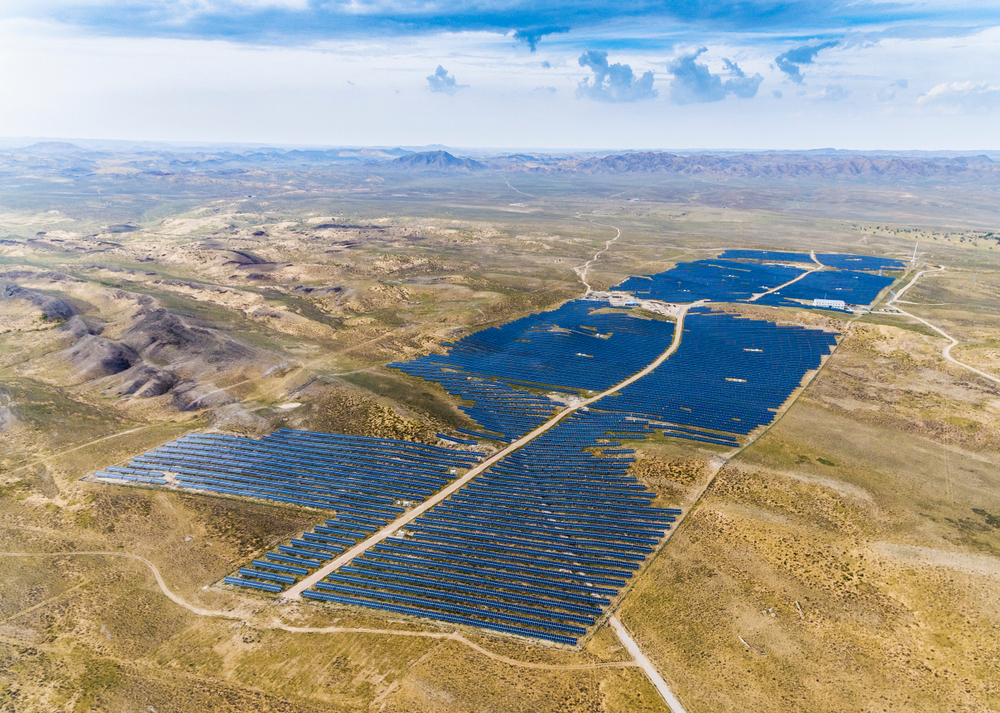
Istanbul (AsiaNews) – The number of renewable energy projects is rising rapidly across Turkey, amid ever-increasing energy demand and a shortage of traditional fuel supplies due to the Gulf War.
Analysts and activists note, however, that a significant number of these projects are planned for the southeastern part of the country, home to a significant Christian and Yazidi population, who are paying the price more than others in terms of land expropriations and seizures.
One of the most recent examples is the G25 Solar Power Plant project in the Chaldean Christian village of Aynwardo (Inwardo), known in Turkish as Gülgöze, Midyat district.
Turkish authorities are defending the project with “compelling" slogans, including "For public interest," "Domestic energy," and "Development."
For the Yazidi village of Baçinne (Turkish: Güven), which faces the same issue, Christian lawmaker George Aryo has already raised the issue in the Turkish Grand National Assembly (Turkey’s parliament).
At a time of global crisis triggered by the US-Israel's war on Iran, with Tehran closing the Strait of Hormuz to "enemy" ships, the emergency linked to the shortage of crude oil and natural gas is encouraging new investments in alternative energy.
The urgency of addressing the issue is reinforced by the structural vulnerability of Turkey’s energy production, which goes beyond the emergency triggered by the Gulf conflict: 80 per cent of its energy needs are met with imports, making it highly susceptible to price shocks linked to geopolitical crises.
Against the backdrop of rising energy prices and regional instability, Ankara is planning a long-term economic transformation.
Christian activists explain that the issue is not just about energy, because the underlying issue concerns investments and projects in villages and areas where religious minorities have lived for centuries, whose populations are rapidly declining.
These communities, according to Assyrian media, have been “weakened” politically and socially and have to “struggle to make their voices heard” and assert their rights.
There is another important issue: “The planned large-scale energy projects will cause significant harm to tourism,” Assyrian media write. In fact, Assyrian and Yazidi villages are not only among the oldest settlements in the Tur Abdin region and home to important religious sites, but have also attracted a considerable number of national and international tourists in recent years, contributing significantly to local economic development.
More generally, the dispute over the land grab is part of a broader pattern of abuses and violations against this Christian community, which was often the most persecuted minority in the past.
A 2024 report by the Freedom of Belief Initiative documented in fact dozens of hate-related violent attacks, mostly on Christians and Jews, including on cemeteries, places of worship, homes, and schools associated with minority religious or faith-based communities.
Tur Abdin has long been called an “ownerless land”, a region where most villages were depopulated in the 1990s, as residents left, forced to emigrate abroad, especially to Europe.
Today, at a time when many hope to return to their villages of origin, their agricultural land and pastures, essential to the livelihood of these communities, are being earmarked for large-scale energy projects.
The fact that Christians and Yazidis do not enjoy strong political influence in Ankara is making matters worse. In Aynwardo, residents have repeatedly complained about the negative impact that the G25 solar power plant project will have on their pastures, water resources, and agricultural production.
The objections of the local population, however, are systematically ignored. “The fundamental issue here is not renewable energy itself, but rather decision-making without the consent of the people and the destruction of the villages' living spaces,” locals say.
“If 'public interest’ were truly being considered, alternative locations would have been evaluated. Because development cannot be achieved by ignoring a people's historical memory and living environment.”
“What is happening today in the villages of Aynwardo and Baçinne may tomorrow happen in other Assyrian or Yazidi villages. Therefore, the energy, mining, and similar projects being developed in Assyrian and Yazidi villages must be immediately reconsidered.
“Projects that threaten agricultural lands and living spaces and do not have the explicit consent of local communities must be halted. Minority villages should be regarded not as economically weak and vulnerable areas, but as historical, cultural, and heritage sites that must be protected.”

.png)










