Growth linked to increased global demand, with new opportunities for the country to monetise its natural resources responsibly. For environmentalists, mangroves could yield ‘over a million carbon credits per year’. A regulatory framework is being developed to distribute the proceeds from emissions trading to local communities.
The 35th anniversary of the UN Convention on the Rights of the Child was celebrated in Sri Lanka on World Children's Day with immersive films and an exhibition at the Lotus Tower. More than 200 works created by children from across the country were on display. For the authorities, urgent action is needed so that “no one is left behind”.
Banned since 2017, the Minister of Environment himself admits that state agencies have not taken sufficient measures to curb their widespread use. Environmentalists: burning them for disposal produces toxic gases. But behind the failure to abandon them are, above all, the absence of intervention at production sites and the lack of affordable alternatives.
The diplomatic mission will be operational by the first quarter of next year, to consolidate the growth reported at the start of the 2025 with the Lunar New Year. The People's Republic is currently Sri Lanka’s fifth-largest source country for visitors. The government has set an ambitious target of three million arrivals this year to boost this sector of the economy.
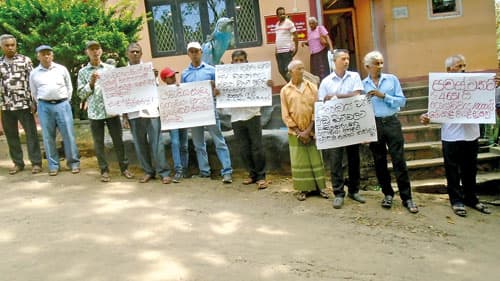
The memory of the Oblate missionary, killed on 10 November 1987, lives on in Buttala, the village where he went to live to defend the rights of the poor. According to local Buddhist monks, older residents remember the light he brought to the village. One of his confreres, Father Shanil, calls on fellow members of the clergy to “reflect upon what prompted him to live that type of life” and follow his “living testimony” today.
A research team from the Sri Lanka Blue Resources Trust found a new ridge linking the Yakampita and Gingiripita reefs. The discovery reveals the surprising richness of the marine ecosystem near the capital, where some areas show over 50 per cent hard coral cover. But researchers warn that the reefs remain outside protected areas and are threatened by pollution and illegal fishing.