








High fuel prices spark outrage in transport sector, services halved
Services have been cut by 50% due to protests within the sector. The discontent is fuelled by rising costs and the government’s failure to grant fare concessions. 25% of vehicles had already voluntarily ceased operations earlier due to financial difficulties. The crisis for commuters, who describe the operators’ decision as “a severe blow”.
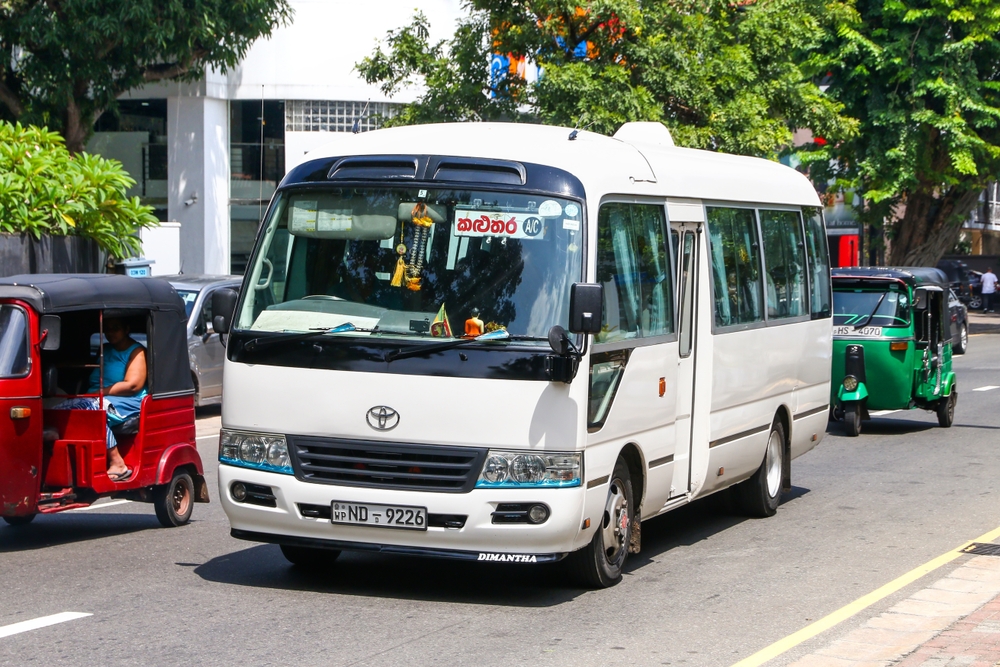
Colombo (AsiaNews) - From this week, those using private buses in Sri Lanka may face severe transport disruption, as operators in the sector have decided to cut services by 50%. Among the reasons for the protest are mounting losses, rising fuel costs and the government’s failure to grant fare concessions. At a press conference held on 7 June, Gemunu Wijeratne, president of the Sri Lanka Private Bus Owners’ Association, explained that “the authorities have not responded positively to requests for a review of bus fares and support measures regarding fuel”.
Meanwhile, around 25% of private transport vehicles have already voluntarily ceased operations due to financial difficulties. According to the majority of owners, “the decision comes after ongoing disputes with the authorities regarding fare adjustments and financial relief, which have not been met to date, despite numerous requests made over a long period”. Commuters, especially in Colombo and the surrounding areas, risk facing delays and overcrowding as the reduced fleet operates under the new directive.
According to Wijeratne, “the association will continue to provide a reduced service until the government approves a revised bus fare, in line with the rise in fuel prices”. The alternative for the government, he continues, is to provide “a direct subsidy to operators, as recent fuel price increases have placed considerable pressure on daily transport operators”.
During peak hours such as the morning, school finishing times and the evening rush hour, only essential services will be guaranteed. During these times, instead of four journeys, only three will be made. Overall, operations will be reduced to around 50%. “The government,” the chairman clarifies, “must take responsibility for this situation, as the majority of students and employees use private buses for their daily commutes, particularly to and from Colombo to various parts of the country.”
Operators in the sector point out that although they requested a temporary exemption to guarantee bus services for one month, neither the National Transport Commission nor the Minister of Transport responded positively. The annual fare review is due to be implemented during the first week of July, adding that they have the “legal authority” to “apply the revised fares”. On 5 June, Wijeratne continues, “we held discussions that were unsuccessful. Diesel prices are expected to rise by the end of this month. In view of all this, we are proceeding with the fare review. This year’s fare adjustment will be difficult for the public to bear, as all costs have risen by around 20–25%”.
The president of the Association of Private Bus Owners concludes by noting that “we cannot continue to operate at a loss. For this reason, we have asked the authorities for some concessions on diesel within the regulatory framework, but these measures have not been implemented. We have therefore decided to step up our industrial action. This week we will intensify our action by changing timetables and limiting operations. The decision was taken – he notes – due to the lack of a positive response to the request for a fare review following the recent rise in fuel prices”.
Recently, the Ceylon Petroleum Corporation (CPC) increased fuel prices in accordance with its monthly pricing formula. Among the changes, the price of a litre of petrol was increased by 15 rupees, rendering the current tariff structures unsustainable. To grasp the scale of the emergency and understand the impact on the population, AsiaNews spoke to Akalanka Punchihewa, Senuli Amrasekara and Dunesh Mayadunne, commuters from various parts of the country who travel to the capital every day for work. “We struggle,” they confirm, “to get to work from Kandy, Kurunegala and Galle. The recent decision by private bus operators is a severe blow, as we have to spend several hours in long queues just to get on a bus. The service provided by buses run by the Sri Lanka Transport Board (SLTB) is inferior to that of private buses. And we cannot,” the commuters conclude, “afford to travel to work by car or motorbike, as we are unable to bear the increased cost of fuel.”

.png)
12/02/2016 15:14










