








The return of Jordanian tourists to Syria
After years of diplomatic isolation and restrictions on movement, 395,000 Jordanian citizens visited Syria in 2025. Families, young people and independent travellers cross the border for short stays, cultural visits or family reunions. The project to reactivate the historic Hegiaz railway within the year. A recovery that contrasts with the crisis in tourism in Amman, victim of regional crises.

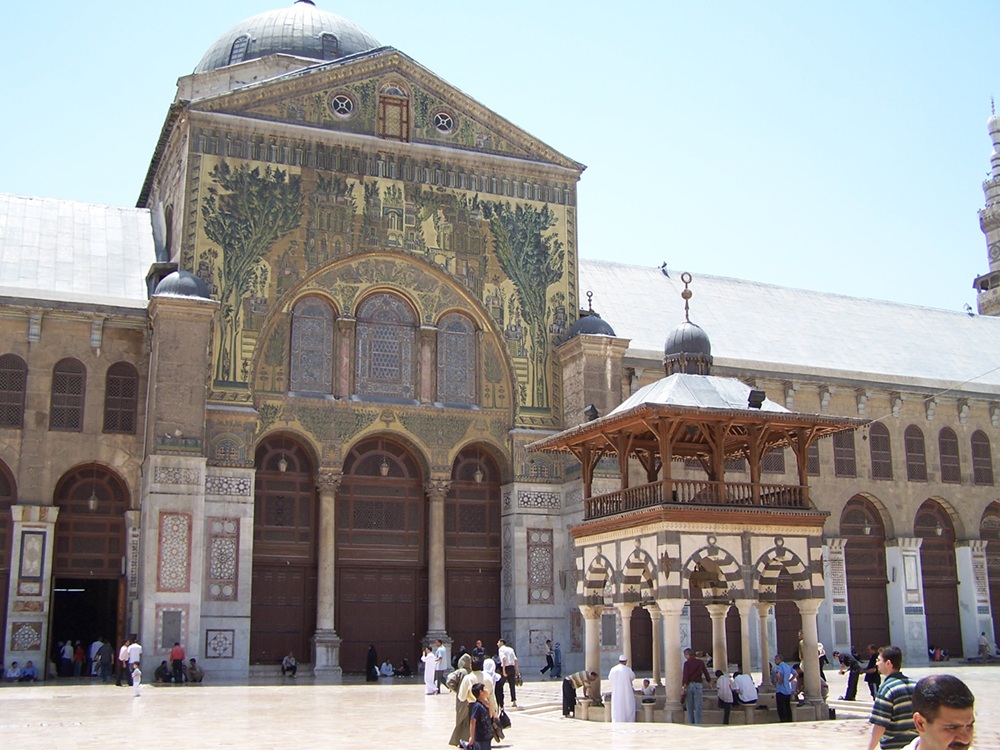
Milan (AsiaNews) - In the streets of the old city of Damascus, among the shops of the souk and the courtyards of historic houses, groups of visitors are finally on the move. They enter the ancient Umayyad Mosque, stop at traditional pastry shops, and haggle for souvenirs in the spice and fabric markets. They speak Arabic and are almost indistinguishable from the local population. The scene, which until a few years ago would have seemed improbable, tells a story: the reopening and consolidation of tourist flows between Jordan and Syria.
Fifteen years after the outbreak of the Syrian civil war, following years of diplomatic isolation and severe restrictions on movement, the connection between Amman and Damascus is once again operational. Tourist buses are once again travelling along the road linking the two capitals, organised tours have reappeared in the catalogues of Jordanian agencies, and border authorities have simplified entry procedures.
According to official Syrian data, in 2025, approximately 395,000 Jordanian citizens visited Syria, an increase of 93% over the previous year. This is the largest national group among arrivals recorded in the country. The data not only signals a recovery in tourism in Syria in the strict sense, more than a year after the fall of Bashar al-Assad and the rise to power of jihadist leader Ahmad al-Sharaa, but also indicates the return of civilian mobility involving families, young people and independent travellers crossing the border for short stays, cultural visits or family reunions.
A key point is the Nasib-Jaber crossing, historically one of the main junctions between the two countries. Before 2011, the year the Syrian civil war broke out, it was an essential trade corridor; however, during the most intense years of the war, it was subject to closures and restrictions. Today, operators report reduced crossing times, in some cases less than ten minutes, and more streamlined administrative procedures than in the past. The stable reactivation of the crossing has made road travel viable again, economically accessible to large sections of the Jordanian population.
In addition to the land route, the air link has also reopened. On 31 January 2025, a Royal Jordanian commercial flight reached Damascus International Airport, marking the official restoration of the direct route between the two capitals after a 14-year hiatus. Currently, four weekly flights connect Amman and Damascus in about 25 minutes, facilitating travel for those who prefer to avoid travelling by land.
In terms of infrastructure, Syria, Jordan and Turkey are also considering reactivating the historic Hegiaz Railway, the line built during the Ottoman era that connected Damascus to Amman and other cities in the region. According to statements by transport officials from the governments involved, the project could become operational by the end of this year. The Hejaz Railway, an engineering feat from the early 20th century, was not only economically important but also of great significance to the Islamic world. Connecting Damascus to Medina, Islam's second holiest city, it made it possible for thousands and thousands of faithful to make the pilgrimage to the Prophet's tomb. Medina is located in Saudi Arabia, and the political conditions for reactivating the railway to its destination are not easy today. But the dream of reconnecting the Levant and the Saudi region of Hegiaz, strengthening the link between the religious heart of Islam and the peripheries of the Muslim world, remains decidedly appealing.
In any case, overall, the resumption of civilian travel to Syria is interpreted by observers as a significant indicator of Damascus's reintegration – albeit gradual – into regional circuits after years of sanctions and political isolation. For Jordan, a neighbouring country with deep historical and family ties, the reactivation of flows with Syria undoubtedly represents an economic opportunity and a strategic choice of cross-border cooperation.
However, when viewed from the Jordanian side, the phenomenon has many paradoxical aspects. While the number of Jordanian citizens travelling to Syria for tourism or private visits is growing, Jordan's tourism sector has undergone a period of contraction in recent years. Between 2023 and 2024, the number of international visitors declined significantly, mainly due to the outbreak of war in Gaza, with marked declines from Europe and North America. The repercussions have been particularly felt in sites such as Petra (a UNESCO World Heritage Site) and the Wadi Rum desert, where the decline in international tourism has been significant, leading to the closure of accommodation facilities and job losses. The perception of instability in the Middle East, although not directly affecting Jordanian territory, has had a major impact. It is worth remembering that, due to the Syrian civil war, Jordan still hosts around 450,000 refugees from Damascus on its territory.
In short, on the one hand, hundreds of thousands of Jordanians choose to spend their holidays in Syria, attracted by low prices, geographical proximity, artistic beauty and the rediscovery of a shared cultural heritage. On the other hand, the Hashemite Kingdom of Jordan is struggling to recover the volumes of international tourism it enjoyed before Covid-19 and the recent regional crises.
The reopening of flows between Jordan and Syria is not just news about tourism or new infrastructure. It indicates transformations in the regional balance of power, bilateral relations and the economic strategies of the two Arab countries. In the old quarters of Damascus, among worshippers and visitors, while pita, the traditional Arab bread, is baked or copper is worked to make lamps or trays, people look forward to this new beginning with hope. It remains to be seen whether this opening will translate into broader and more stable cooperation for both countries, capable of generating development.
GATEWAY TO THE EAST IS THE ASIANEWS NEWSLETTER DEDICATED TO THE MIDDLE EAST. WOULD YOU LIKE TO RECEIVE IT EVERY TUESDAY? TO SUBSCRIBE, CLICK HERE.

.png)
14/04/2026 12:07










