








Without a resettlement plan, evictions in Islamabad put hundreds of families at risk
The Capital Development Authority (CDA) is pursuing demolitions in katchi abadis, informal settlements, where many Christians also live. Police agents and vehicles have been deployed in large numbers at the G-7 settlement (Allama Iqbal Colony). Residents are protesting, complaining of the lack of advance notice and alternative housing. NGOs are challenging the authorities, claiming they are hostile toward minorities and people living in poverty.
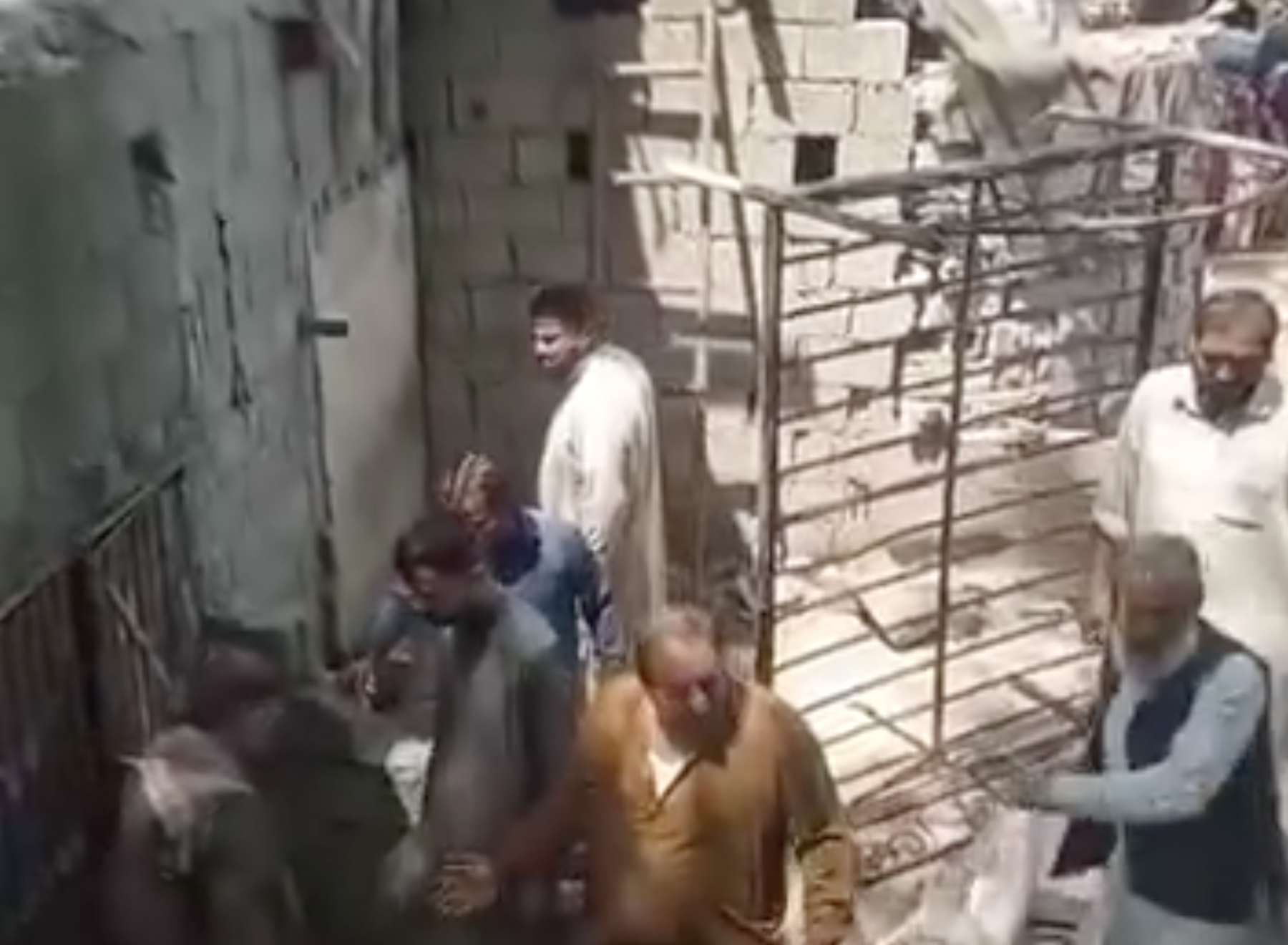
Islamabad (AsiaNews) – Islamabad’s Capital Development Authority (CDA) is pursuing demolition operations in the informal G-7 settlement (Allama Iqbal Colony), while eviction campaigns are intensifying in several other informal settlements, known as katchi abadis, in the capital, sparking protests from residents and heightening concerns among civil society groups and human rights organisations about displacement and the lack of reintegration measures.
The operation, supported by a massive deployment of police agents and vehicles, is part of a law enforcement campaign aimed at clearing what authorities call “illegal encroachments on state land”.
However, residents are resisting the demolition, blocking vehicles in some areas, and attempting to retrieve their belongings from homes that have already been partially or completely demolished.
Evidence from the area suggests that CDA teams have resumed operations even where structures had already been tagged or damaged during previous operations.
While some groups of homes have been cleared, others are under threat, sparking fear and uncertainty among the families who still live there.
G-7 residents claim to have lived in the settlement for decades and are demanding long-term occupancy rights, saying they have been forced to live in informal housing due to the lack of affordable alternatives in the capital.
They complain that they were not adequately consulted, that formal notification procedures were not followed, nor were they provided with any clear redevelopment plan, leaving hundreds of families at risk of losing their homes.
Protesters gathered near the demolished homes, demanding an immediate halt to the operation and adequate resettlement measures before further action is taken.
Civil society groups and human rights organisations have slammed the ongoing demolitions, calling them a violation of constitutional protections relating to dignity, housing, and due process.
The Human Rights Commission of Pakistan (HRCP) and its allied organisations – the All-Pakistan Alliance for Katchi Abadis, the Catholic Commission for Justice and Peace, the Awami Workers Party, and others – have criticised the CDA's hostile approach to people in poverty and its failure to provide adequate, affordable housing. They note that only a limited programme has been implemented in the city since 2000, despite a katchi abadis population of approximately half a million.
The NGOs are calling for the recognition and regularisation of informal settlements, warning that demolitions are exacerbating the housing crisis. Stressing that housing is a fundamental right under Article 9 of the constitution, they are calling for an end to forced evictions, compliance with court orders, and procedural guarantees in all cases.
NGOs have also warned that repeated eviction campaigns in Islamabad's informal settlements are having a huge impact on low-income communities, including marginalised religious minorities, particularly Christian families living in several katchi abadis scattered across the city.
Large numbers of residents in similar settlements across the capital are at risk of being displaced by ongoing eviction operations, fuelling fears of a wider humanitarian crisis if resettlement programmes are not introduced.
Activists have urged authorities to immediately halt demolitions until a transparent, rights-based resettlement policy is implemented in consultation with affected communities, arguing that law enforcement without a resettlement plan exacerbates urban inequality and social exclusion.
Yet, despite growing criticism, CDA officials maintain that the operation is necessary to reclaim public land and enforce the city's master plan, although there is no detailed relocation strategy for those affected. This exacerbates urban inequality and social exclusion.
As tensions persist, security forces remained in the area on Monday, with residents gathered near damaged structures, uncertain about their future.

.png)
13/03/2026 18:32










