Defying predictions, the Bhumjaithai Party is leading in the seat count by a wide margin. Outgoing Prime Minister Anutin Charnvirakul, a populist businessman who got a boost by the conflict with Cambodia, also won in Pheu Thai strongholds. The reformist People's Party, unable to reach beyond young voters and urban middle class, was defeated. A yes vote in the referendum opens to the way to changes to the military-imposed constitution.
The People's Party, heir to Move Forward in the progressive camp, leads the polls for tomorrow's vote in Thailand. But it is taking a more moderate line towards the monarchy and the elite to avoid facing dissolution, as happened to its predecessors.
At stake is not only who will lead the government, but also the possibility of rewriting the constitution imposed by the military in 2017. With the Shinawatra clan's Pheu Thai weakened, the battle appears to be between the reformists of the People's Party and the Bhumijaythai party led by incumbent Prime Minister Anutin, who seeks to capitalise on the nationalist wave sparked by the conflict with Cambodia. But the real challenge is the faltering economy.
A delegation from UNIAPAC, which brings together 45,000 entrepreneurs from around the world in the name of the Church's social teaching, is meeting with Catholic colleagues from Thailand, Indonesia, the Philippines, Singapore, and Vietnam to establish new contacts. The goal is to develop businesses that put people, not profit, at the centre, in places where GDP growth too often fails to address inequality.
Just over a week before the general election on 8 February, a national poll shows that the progressive party is clearly ahead among voters, followed by Pheu Thai and Prime Minister Anutin's Bhumjaithai. The country’s Catholic bishops urge the faithful to vote responsibly, based on the common good, human dignity, and social justice.
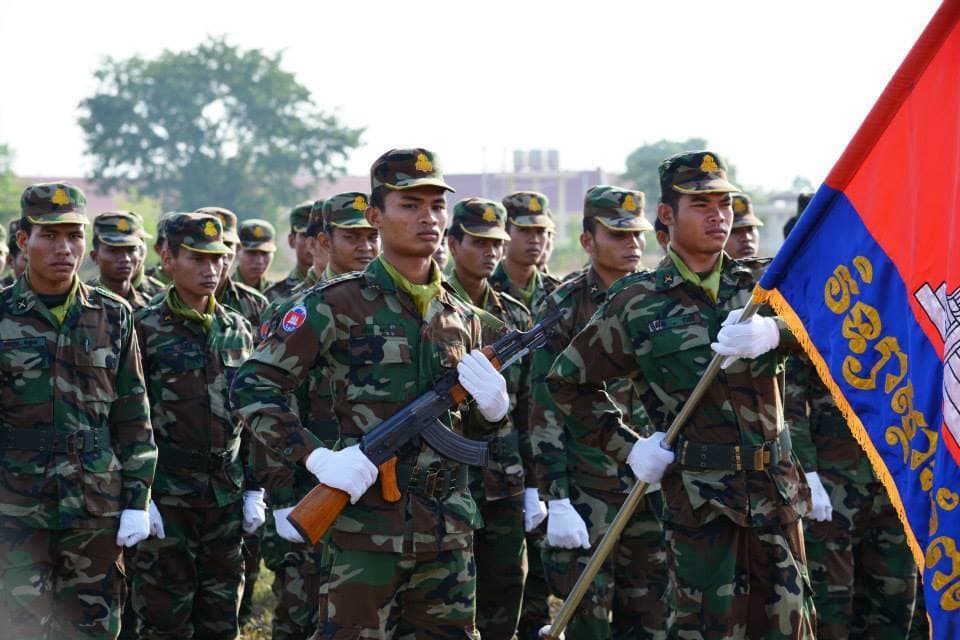
The decision to join UNCLOS comes after 40 years of delays, opening a new front with Thailand over the disputed oil fields off Koh Kood Island. In 2001, then Thai PM Thaksin Shinawatra signed an agreement with his Cambodian counterpart Hun Sen, for joint exploitation, but this never materialised and is now contested by Bangkok. The issue ties in with the 2016 arbitration on China’s "nine-dash line” with which Beijing claims most of the South China Sea.